Lock In Framing Accuracy Before Hanging Starts
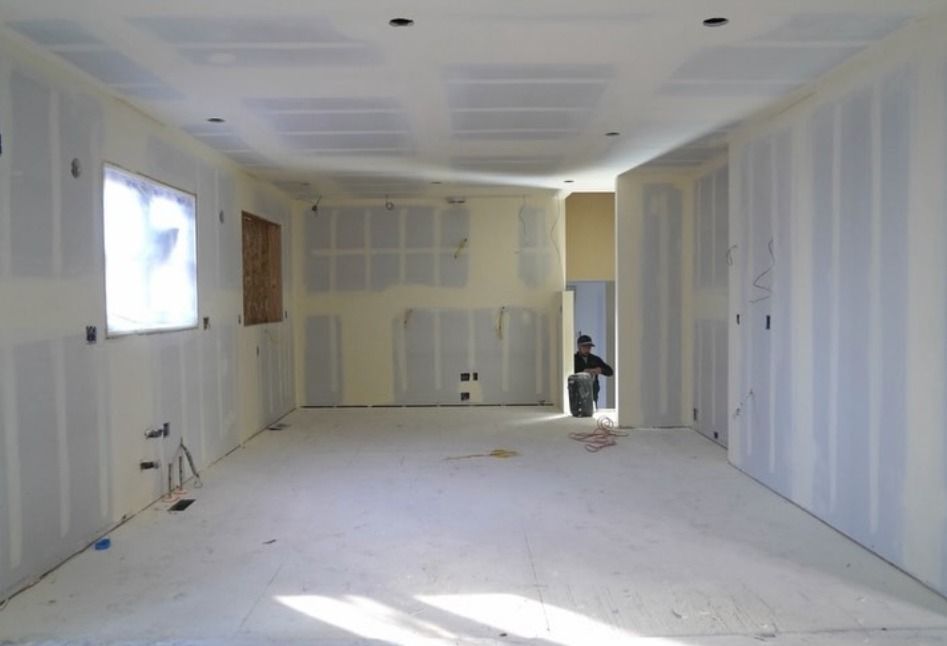
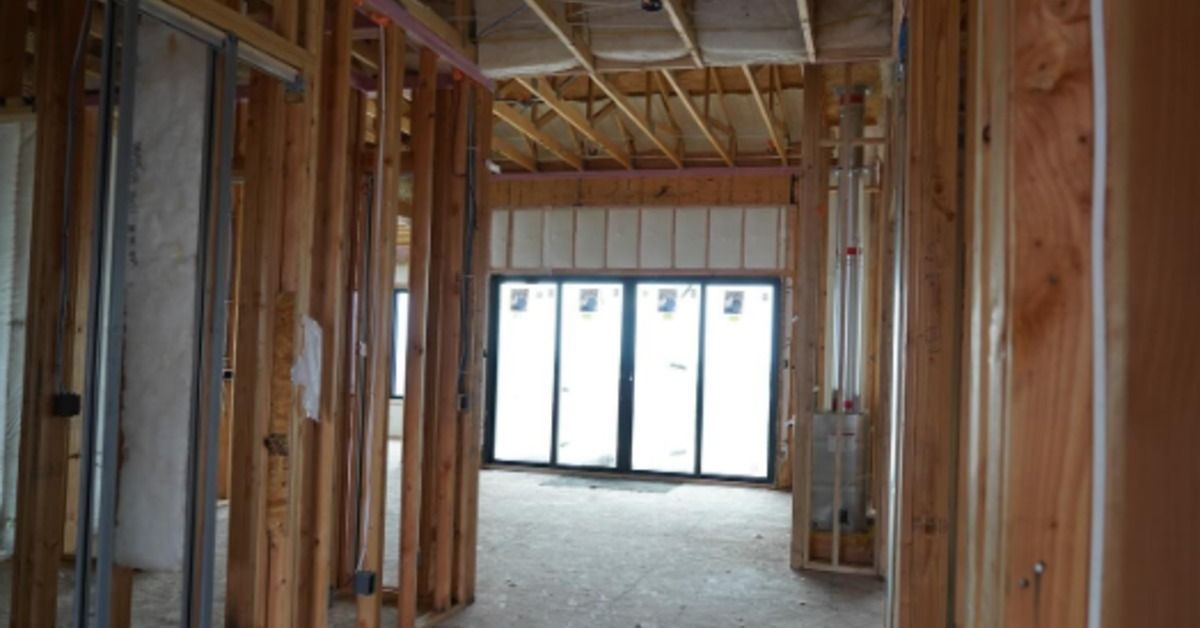
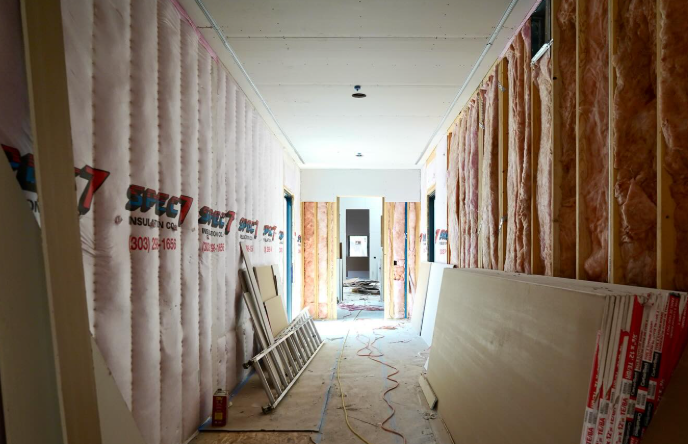
The board hides framing problems, but it doesn’t fix them. Verify layout against reflected ceiling plans, door schedules, and hardware requirements before the first sheets go up. Confirm backing at casework walls, grab bar zones, handrails, and wall-mounted equipment areas so installers don’t scramble later.
A pre-board walk keeps issues small and easy to fix. Use one repeatable checklist so every floor gets the same level of attention and leaders don’t rely on memory when the schedule is busy.
Coordinate MEP Rough-Ins
Projects fall behind when walls close before mechanical, electrical, and plumbing finishes rough-in. That triggers cut-ins, patching, and schedule arguments that spread across an entire building.
Hold weekly coordination focused on “close-ready” zones, and confirm rough-ins and inspections line up with the drywall sequence. Keep inspection dates visible and assign responsibility for confirming readiness so the board doesn’t go up in a zone that still needs work behind it.
For commercial work, coordination with commercial drywall contractors in Denver, CO, will help you manage complex rated assemblies, specialty ceilings, and inspection-heavy scopes.
Standardize Operations for Consistent Quality
Large projects involve multiple crews across long timelines. Quality slips when standards live in one person’s head instead of on the wall. Set a finish standard that matches the spec and show it in the field with mockups for common conditions like outside corners, control joints, reveal trims, and smooth-to-texture transitions.
Make expectations clear by space type and lighting conditions. Critical lighting areas and high-gloss paint zones demand tighter finishing. Flag those areas early on to prepare for sanding, skim work, and inspection.
Use a Daily Communication Rhythm
Big jobs fail from small misalignments that repeat daily. Start with a short huddle that assigns work by zone, confirms what “complete” means, and calls out blockers before crews spread out. End the day with a quick recap that locks tomorrow’s plan while the floor conditions still sit fresh in everyone’s head.
Zone ownership tightens accountability. Assign a lead per zone who tracks materials, access, trade readiness, and quality checks to solve issues quickly.
Keep Specialty Work From Stalling Standard Production
Soffits, bulkheads, curved walls, and acoustic ceilings take extra steps, and they can stall the whole job when they interrupt standard flow. Plan specialty conditions as controlled bursts with the right crew mix.
Protecting the main production path is also very important. Workers can keep up with their daily tasks without any congestion.
If there are any specialty materials, stage them separately. This will prevent crews from accidentally using the materials for the wrong tasks. Additionally, prefabricate repetitive framing sections using matching templates. Every specialty detail will be consistent rather than a custom one-off.
Control Dust, Protection, and Site Logistics
Dust and poor protection create conflicts with other trades and lead to rework. Set cleanup responsibilities by shift and zone to maintain a workable, safe site. Keep scrap bins close to work areas, so crews don’t waste steps carrying debris across the floor. Then, protect finished surfaces before sanding ramps up in corridors and shared paths.