The Role of Drywall in Energy Efficiency and Insulation
Homeowners and business owners often focus on windows, doors, and HVAC systems when trying to improve energy efficiency. While these are important, many overlook the contribution of the building’s walls.
Drywall is an important component of energy efficiency and insulation. It creates a smooth, paintable surface, but it’s also an integral part of a building’s thermal performance.
To regulate the temperature of your property and improve its longevity, there are several types of drywall and insulation to install. Let’s examine the properties of drywall and how it functions as part of a complete wall system to maintain consistent indoor temperatures.
R-Value and Building Materials
Before examining drywall’s properties, it is helpful to understand R-value. R-value measures a material’s thermal resistance, or its ability to resist the flow of heat. Materials with higher R-values provide better insulation. A well-insulated building requires less energy to heat and cool because it slows the movement of heat into or out of the conditioned space.
Most building materials have an R-value. For instance, a standard half-inch sheet of drywall has an R-value of approximately 0.45. While this number may seem low on its own, its contribution becomes more apparent when combined with other components of a wall assembly. When layered with insulation, wood or metal studs, and exterior sheathing, the total R-value of the system increases.

How Drywall Contributes to Insulation
Drywall is made of a gypsum plaster core pressed between two thick sheets of paper. This composition gives it some inherent insulative properties. Gypsum is not a strong conductor of heat, which means it helps to slow thermal transfer. During colder months, it helps keep warm air inside, and during warmer months, it helps keep hot air out.
The primary way drywall enhances insulation is by creating an airtight seal. Air leakage is a major source of energy loss in buildings. Gaps and cracks in a building’s envelope allow conditioned air to escape and unconditioned air to enter. When installed correctly, drywall provides a continuous surface that covers gaps in the wall framing, reducing air infiltration and improving the overall effectiveness of the insulation within the wall cavity.
Why Drywall and Insulation Result in an Improved Performance
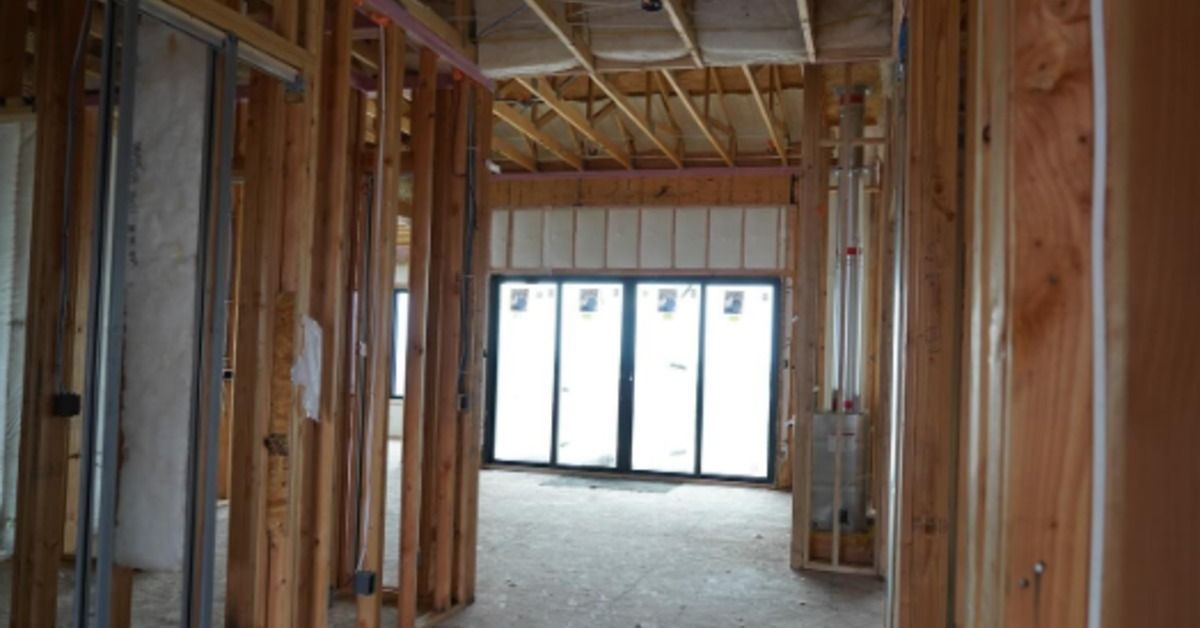
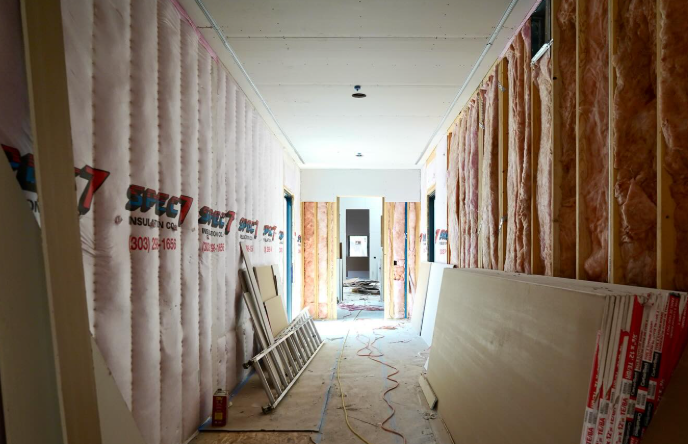
Drywall works best as part of a complete insulation system. The space within the wall cavities, between the studs, is typically filled with insulation material like fiberglass batts, spray foam, or mineral wool. These materials have much higher R-values than drywall alone. For example, fiberglass insulation can have an R-value of R-13 to R-15 for a standard 2x4 wall.
Here’s how the components work together:
- Insulation is the primary barrier against heat transfer. It fills the large voids in the wall cavity.
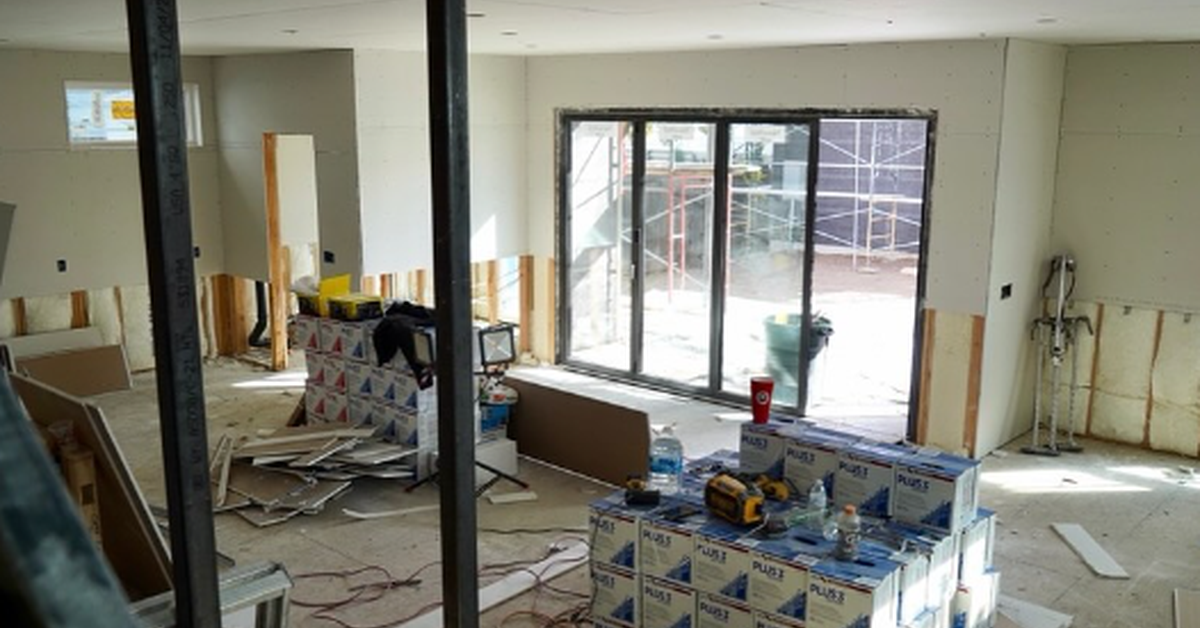
- Drywall panels go over the studs and insulation and seal the wall cavity. This airtight layer prevents air movement that would diminish the insulation’s effectiveness.
- Vapor barriers, located between the insulation and the drywall, prevent moisture from condensing within the wall.
Without drywall, insulation would be exposed and less effective. The continuous board provides a stable, sealed surface that protects the insulation and stops convective heat loss caused by air movement.
Moisture Resistance
Moisture resistance is another benefit of properly installed drywall, particularly when it incorporates moisture-resistant or mold-resistant panels. These specialized types of drywall are best for areas like bathrooms, kitchens, basements, or laundry rooms.
Unlike standard drywall, moisture-resistant options are crafted with a durable, water-repellent core and are often treated to resist mold growth, which helps to protect the structural integrity of the walls over time. Reducing the risk of moisture damage extends the lifespan of the wall system, contributes to better indoor air quality, and prevents the conditions that allow mold and mildew to thrive. All in all, avoiding moisture damage will keep the drywall in great condition, so the material can continue to provide buildings with effective insulation.

The Connection Between Drywall and Air Sealing
Proper installation is just as important as the materials themselves. Even the best insulation and drywall will underperform if there are gaps and cracks allowing for air leakage. Professional installers pay close attention to sealing joints between drywall sheets and around openings for electrical outlets, windows, and doors.
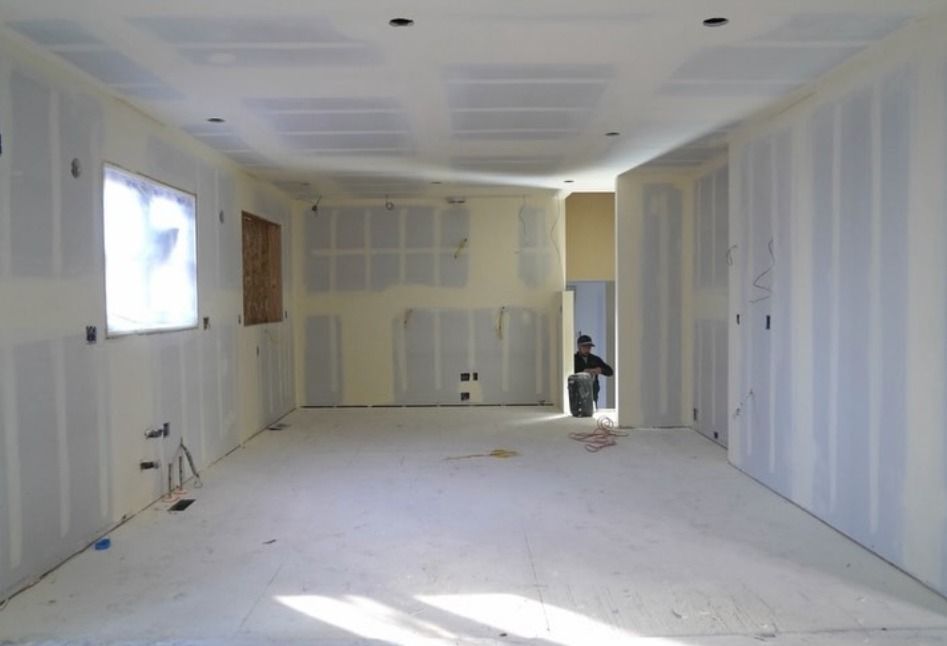
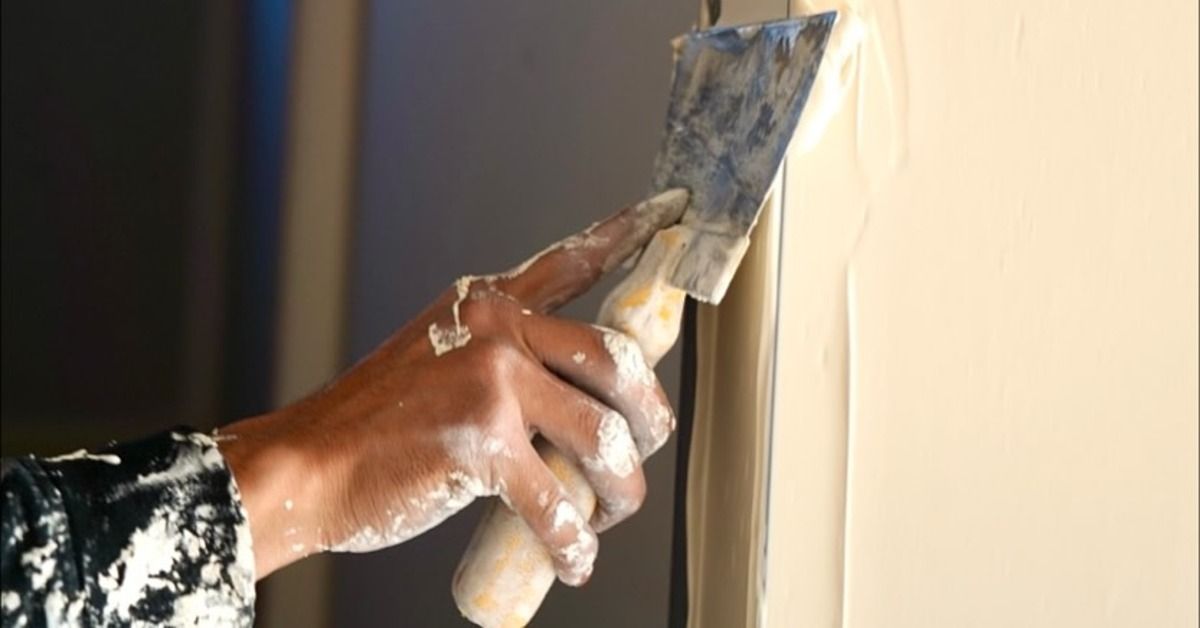
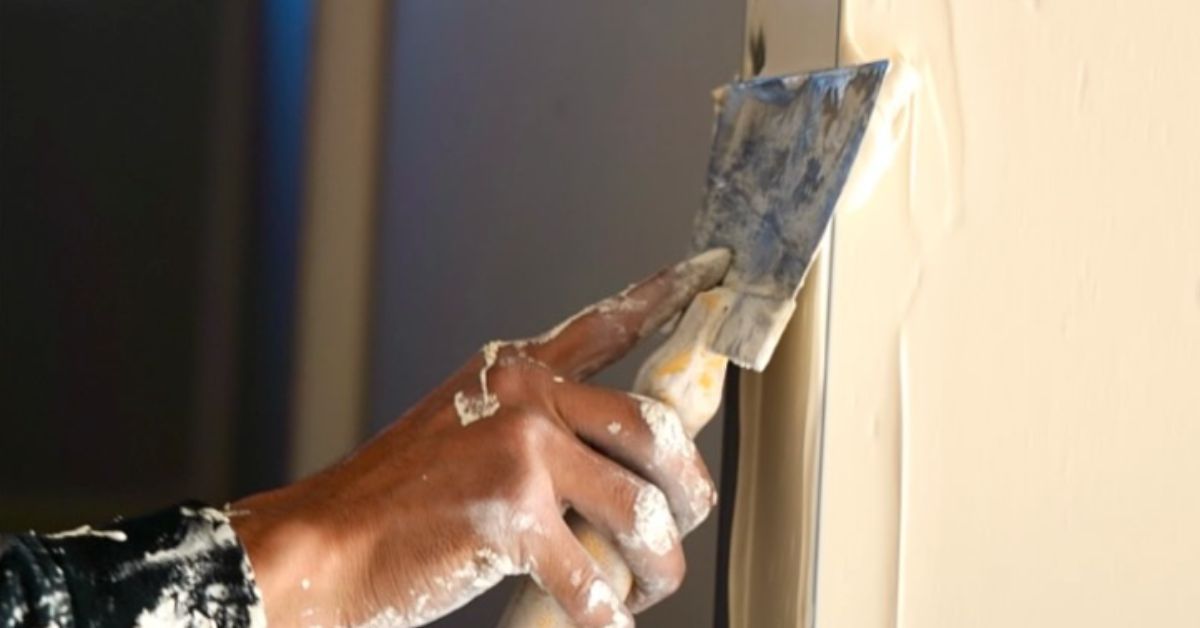
Using tape and joint compound (mud) to finish drywall seams creates an airtight barrier across the entire wall surface. This attention to detail prevents drafts and minimizes energy loss. According to the U.S. Department of Energy, drafts can waste 5 to 30 percent of energy use. Properly sealed drywall is a fundamental part of a building’s air-sealing strategy, helping to maintain a comfortable indoor environment and reduce heating and cooling costs.
Types of Energy-Efficient Drywall
Advancements in building materials have led to the development of specialized types of drywall that offer enhanced thermal performance. One common option is thermal insulating drywall; it integrates a layer of rigid foam insulation onto the back of the gypsum board. This increases the R-value of the drywall panel itself, adding to the overall insulation of the wall assembly.
These insulated drywall panels are particularly useful for solid masonry walls where adding insulation into a wall cavity is not possible. Users can apply them directly to concrete or brick walls to improve thermal resistance without requiring extensive framing. While more expensive than standard drywall, the long-term energy savings typically justify the initial investment.
Build a More Efficient Building
By now, it should be evident that drywall is more than a cosmetic finish; it plays an influential role in energy efficiency and insulation. Slowing heat transfer, creating an airtight seal, and protecting cavity insulation keeps homes and commercial facilities comfortable year-round while reducing energy consumption.
For homeowners and commercial property managers looking to improve their building’s performance, investing in professional installation is the right decision. Experienced installers understand how to correctly pair drywall with insulation and meticulously seal every gap to maximize thermal resistance.
For quality drywall services in Colorado, contact the team at Rival Drywall. We handle drywall repairs, new builds, and remodels. Plus, we offer flexible scheduling to accommodate clients’ busy lifestyles. Contact us today and find out how our expertise eill help you achieve an energy-efficient, comfortable space.