What You Can Expect From a Commercial Drywall Install
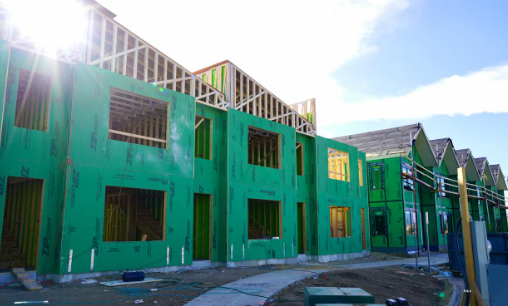
The details matter when conducting renovations and building a new space. Many project supervisors might think about the building’s overall layout, but there are numerous components to plan, from flooring to ceiling grids.
Drywall is one element that shapes a commercial building’s final look, feel, and function. However, the quality of the installation is just as important as the materials themselves. When you hire a professional team, here’s what to expect from a commercial drywall install.
Why Commercial Drywall Is Different
Most people know the drywall used in homes, but commercial applications require a different material class. Residential drywall usually measures a standard one-half inch. Commercial-grade drywall delivers durability and performance for high-traffic, demanding environments. It comes in a thick, 5/8-inch version to supply superior strength and dampen sounds.
Aside from thickness, manufacturers produce commercial drywall in several specialized types. Type X drywall uses glass fibers that give it enhanced fire-resistant properties that many commercial structures need. Another variety is moisture-resistant boards used for restrooms and kitchens. These specialized materials support safety, longevity, and building code regulations.
The Initial Consultation and Planning Phase
Thorough planning drives every successful commercial drywall project. The first step includes a consultation with a professional contractor. During this meeting, you and the contractor discuss the project scope. The contractor evaluates the space, reviews blueprints, and asks questions about your business operations to understand the specific requirements of the environment.
Cover soundproofing, fire resistance, and moisture control with the contractor during this phase. For example, a manufacturing warehouse will require a higher fire rating than an office conference room. Based on these conversations, the contractor recommends the best type of drywall and finishing level, then provides a detailed proposal and estimate outlining all associated costs and the planned timeline.

Site Preparation
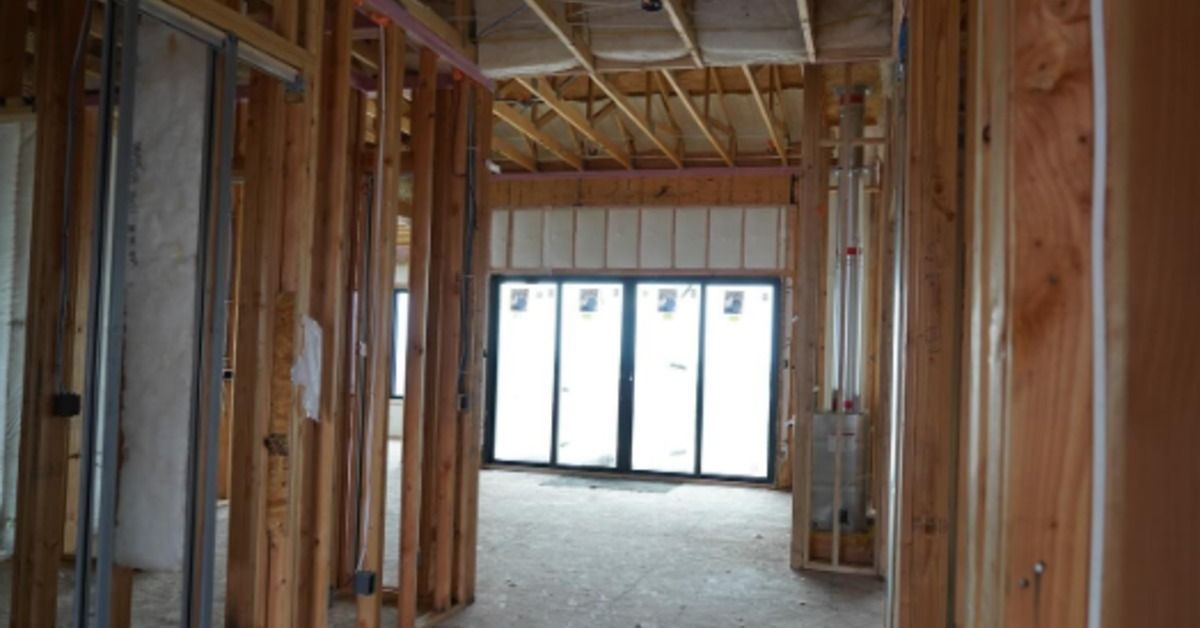
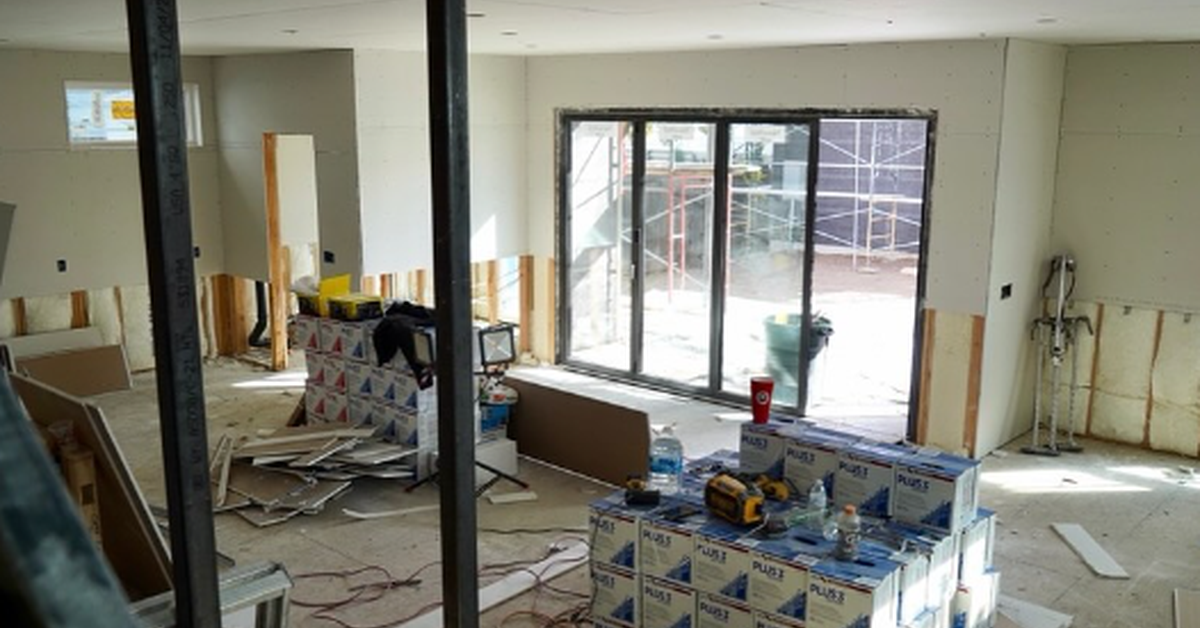
Before the crew puts up the first sheet of drywall, they take careful steps to prepare the site. The crew covers the floors, windows, and fixtures with heavy-duty coverings. They also check that the framing stays square, plumb, and ready for panel installation.
Next, installers need to establish airflow. Ventilation is necessary because cutting drywall and applying the joint compound produces ample dust. With a safe and functional site, the installers can get to work.
Hanging the Drywall Panels
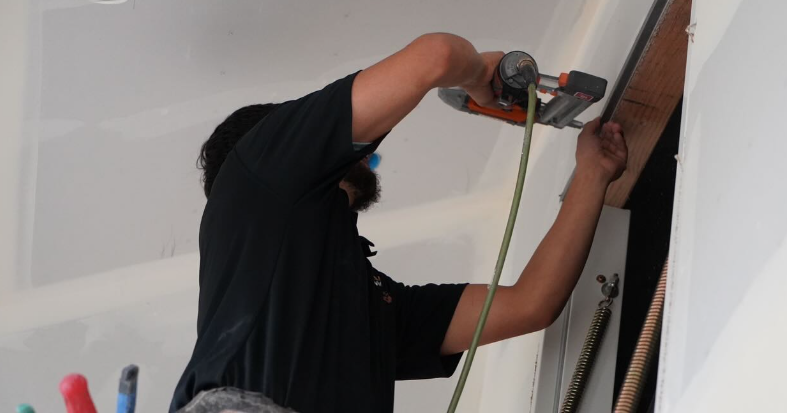
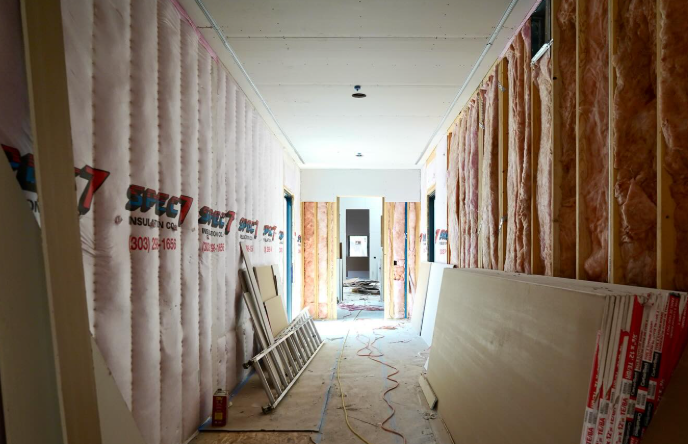
The team will start installing the drywall panels by measuring and cutting each sheet to fit perfectly against the wall studs and ceiling joists. They hang large sheets first. Covering the main expanses of the walls and ceilings before moving to more intricate areas is an efficient process.
Installers also make careful cutouts for electrical outlets, light switches, and plumbing fixtures. Every cut will feature clean lines and provide a tight fit. The crew secures the panels to the framing with screws, following a specific pattern to distribute the weight evenly and prevent future cracking or warping.
The Taping and Finishing Process
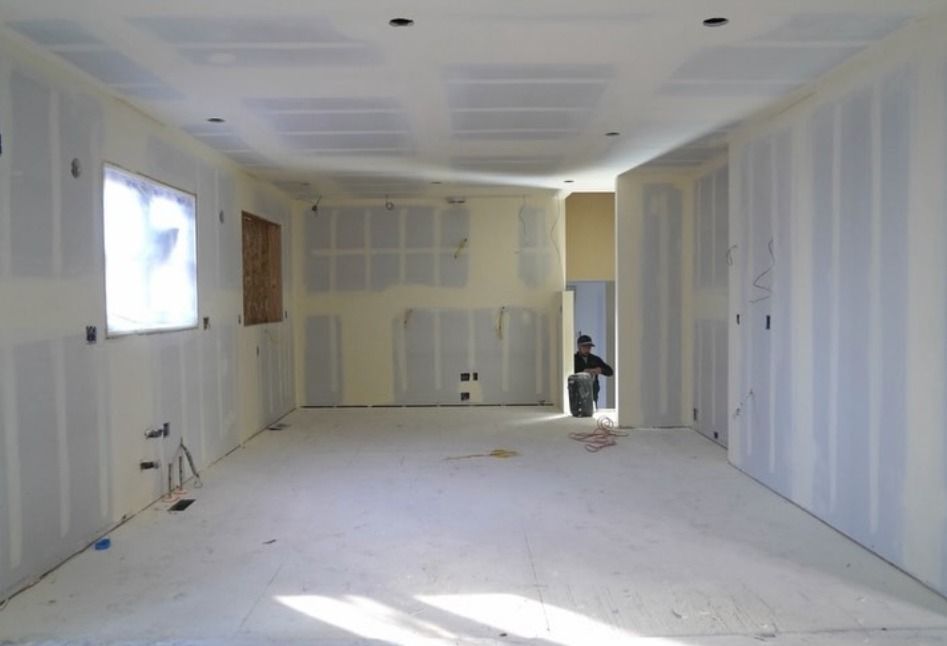
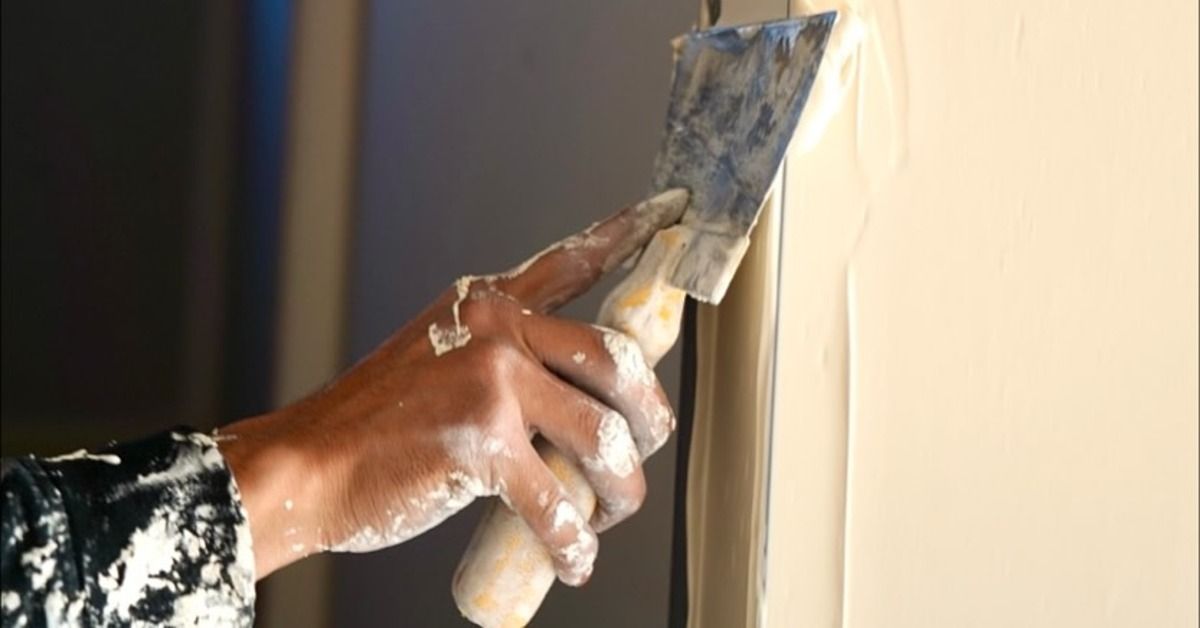
Hanging the panels makes up just one part of the job. Next, the taping and finishing phase creates a seamless, paint-ready surface. This multi-step process demands artistry and patience from the crew. They transform a wall of individual boards into a single, smooth plane.
The crew follows several key steps in the process:
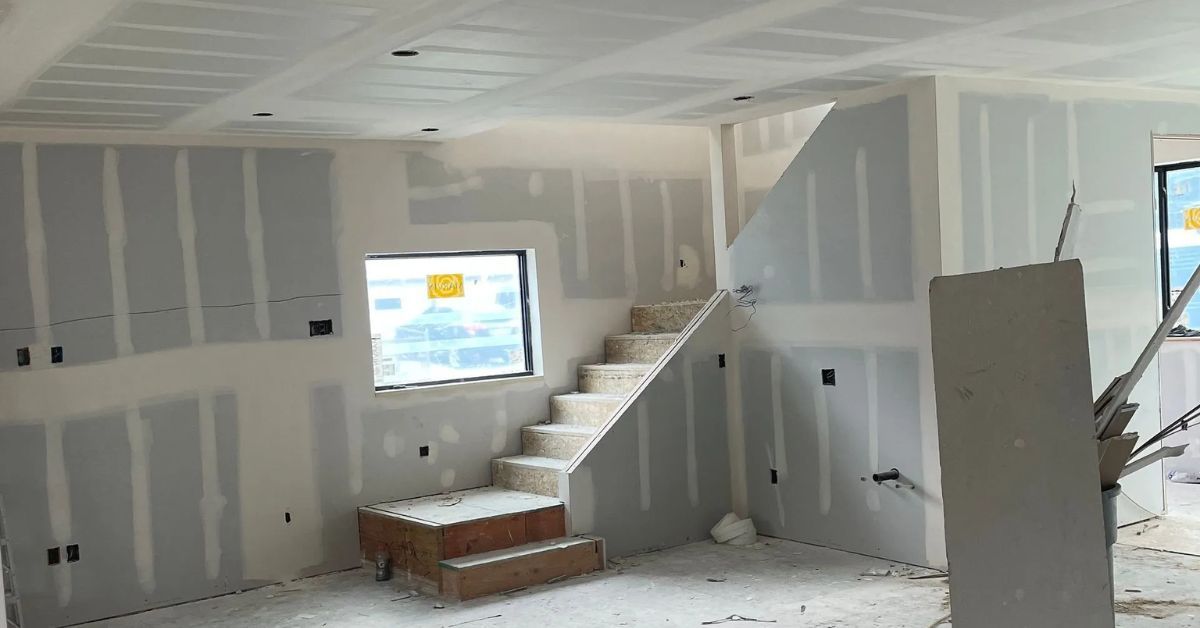
- Installers apply a specialized paper or mesh tape over every joint where two sheets of drywall meet. The tape bridges any gaps and provides reinforcement.
- The first coat of compound, or mud, goes over the tape and into the screw indentations. It fills the major gaps and begins the smoothing process.
- The installers will apply subsequent thin coats of the compound after the first coat dries. They feathered out the compound wider than the last to create a smooth, invisible transition.
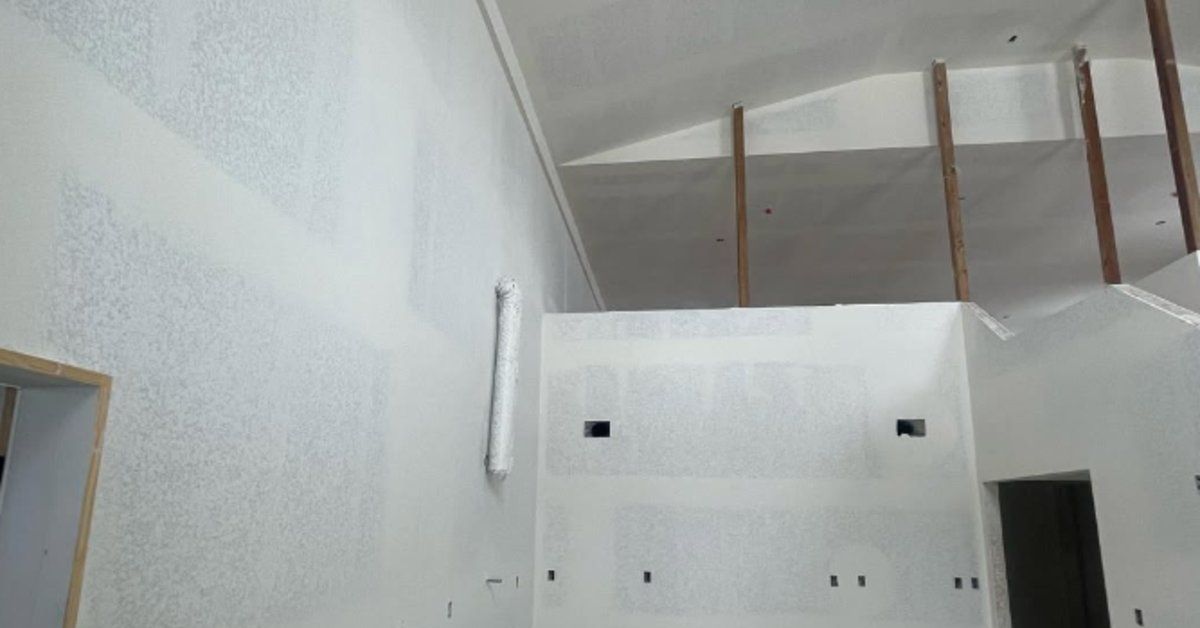
- Once the final coat is completely dry, the team sands the entire surface to a smooth finish using fine-grit sandpaper and pole sanders to eliminate imperfections.
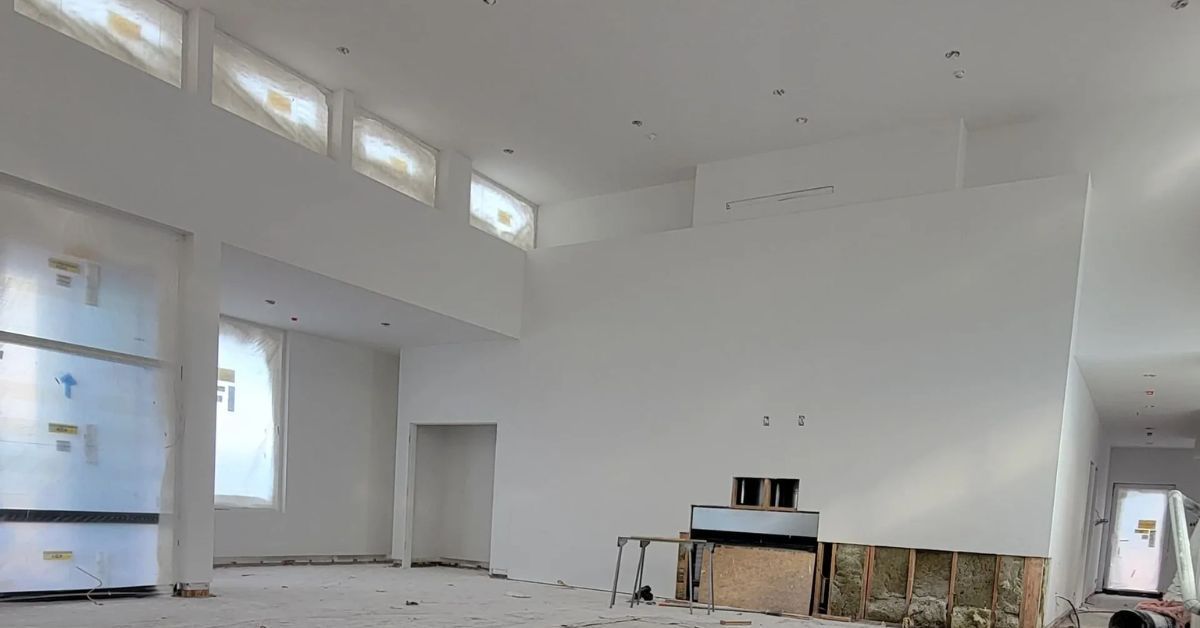
The project’s specifications dictate the level of finish. A warehouse might need only a basic finish, while a high-end retail store wants a Level 5 finish—the smoothest possible surface—to look perfect under glossy paint and bright lighting. When you discuss the desired finish level with your contractor early on, you help achieve the right look.

Cleanup and Final Inspection
Professionals treat a clean jobsite as part of the package. Once the crew completes sanding, they thoroughly clean up the area by removing all debris, scrap materials, and protective coverings. They sweep and vacuum the space to get rid of the fine dust that comes with the work.
After the cleanup, you and the project manager walk through the space together. Inspect the work closely; check for smooth joints, filled screw holes, and a consistent surface texture. The crew takes care of any minor touch-ups or corrections right away, so you feel completely satisfied with the result before the painters arrive. This final check confirms that what you can expect from a commercial drywall install comes through at a high standard.
The Value of Professional Installation
The final piece of information that you need to know about drywall installation is that hiring commercial drywall services is the best course of action. Their skills and experience drive successful outcomes.
Skilled teams apply technical expertise, pay attention to detail, and solve problems effectively, guiding your project from start to finish. Professionals select the best materials, meet tight schedules, and adjust to changing site conditions—all while upholding top standards for safety and workmanship.
When you entrust your project to experts, you save time, avoid mistakes, and receive a polished finish that holds up in busy commercial spaces. Business owners and managers gain confidence knowing every wall in the facility has strong integrity and an appealing appearance.
Contact Rival Drywall for Your Next Project
If you’re planning a commercial drywall build or renovation, partner with a team that delivers reliable results tailored to your needs. Rival Drywall provides commercial drywall installation services that reflect quality, efficiency, and a strong focus on client satisfaction.
With competitive pricing, we’ll help you achieve your goals without compromising on quality. Contact Rival Drywall today to discuss your next project and experience a smooth, professional installation from start to finish.