Nail and Screw Pops
Small circular bumps appearing along walls or ceilings indicate that drywall fasteners have shifted against the finished surface. Sometimes the surrounding compound cracks and exposes the outline of a screw or nail head. These imperfections might appear several months after construction as the framing materials adjust to indoor conditions.
Fastener pops sometimes develop when installers position screws incorrectly or fail to secure panels tightly against the framing. As wood studs shrink or shift, inadequately secured drywall permits movement around the fasteners. Although an isolated pop doesn’t necessarily indicate widespread installation problems, numerous bumps across several walls suggest that the fastening techniques deserve inspection.
Uneven or Wavy Wall Surfaces
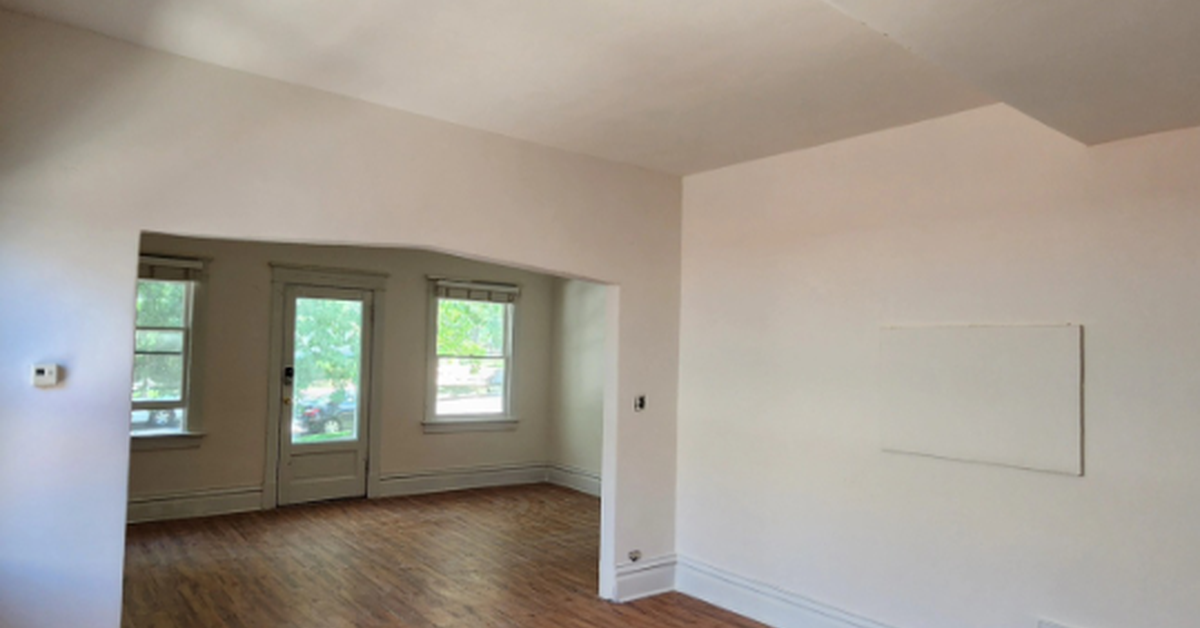
A newly finished wall should appear reasonably flat when homeowners examine it from various angles. Noticeable ripples, bulges, or depressions suggest inconsistencies beneath the painted surface. Side lighting exposes these irregularities because shadows emphasize changes in the wall’s contour.
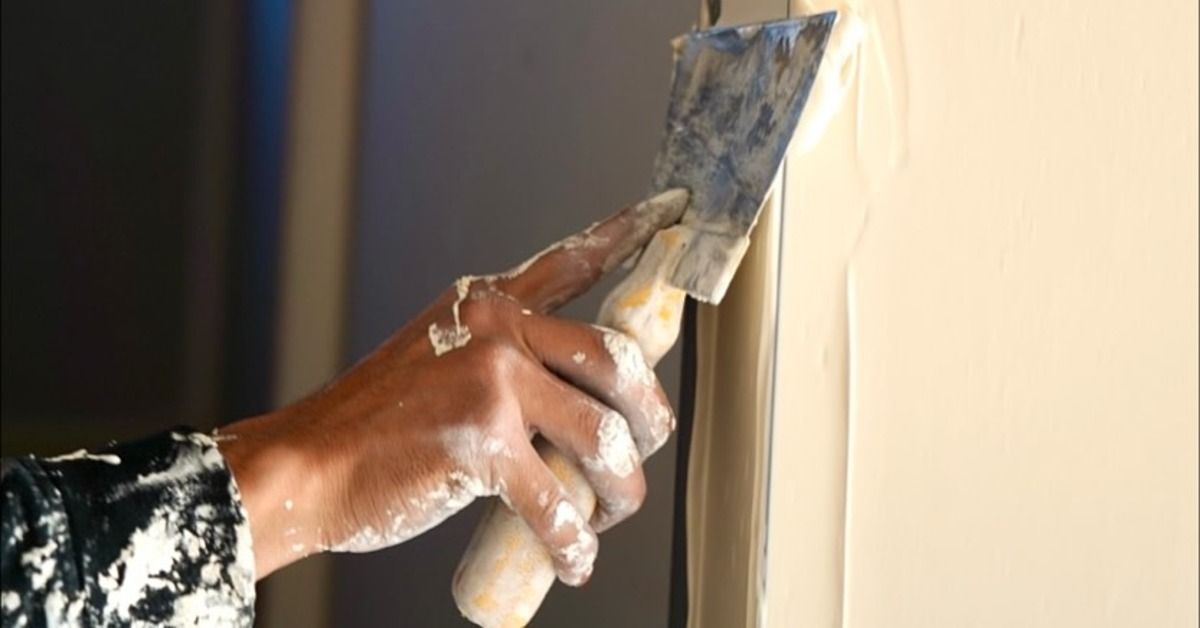
Uneven joint compound application frequently produces shallow waves around drywall seams. However, irregular framing or improperly positioned panels sometimes creates substantial variations across the surface. Experienced installers inspect the framing before hanging drywall and carefully finish the surface to minimize the appearance of transitions.
Peeling or Bubbling Drywall Tape
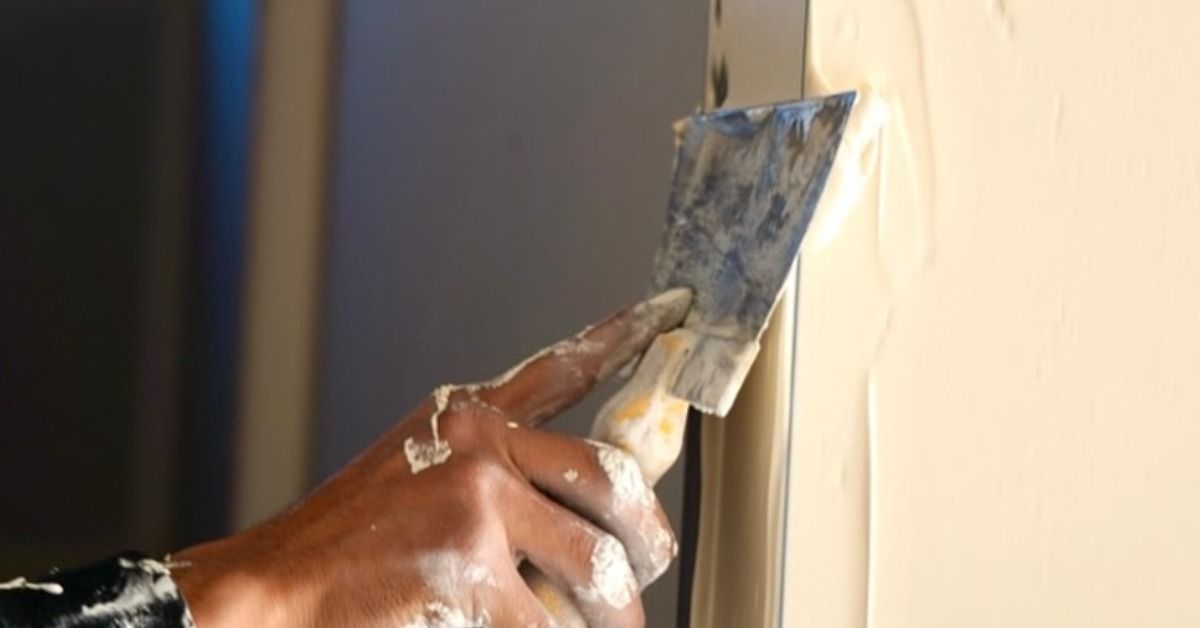
Joint tape should remain firmly embedded beneath the finishing compound. If homeowners notice raised strips, loose edges, or elongated bubbles along drywall seams, the tape may have lost its adhesion. These defects sometimes appear as narrow ridges beneath paint before sections begin separating from the surface.
Improper compound application is one potential explanation. When installers fail to place sufficient joint compound beneath paper tape or neglect to press out trapped air, the tape struggles to bond with the drywall. Excessive moisture occasionally causes similar symptoms by weakening the surrounding materials. Before repairing the seam, a professional should determine whether poor installation or an active moisture problem caused the separation.
Uneven Drywall Texture
Textured walls require consistent application techniques to produce a uniform appearance. Homeowners should examine their walls for areas where orange peel texture appears unusually dense or knockdown patterns change abruptly. Noticeable differences between adjacent panels sometimes indicate that installers struggled to maintain consistent coverage throughout the room.
Texture inconsistencies frequently result from improper spray equipment settings or irregular application methods. For instance, variations in spray pressure and the distance between the nozzle and wall affect the size and distribution of texture droplets. With knockdown finishes, inconsistent timing during the flattening process produces noticeable pattern variations. These defects become particularly apparent when paint and natural lighting emphasize the differences between sections.
Visible Screw Heads Through Drywall
Dark circular marks or small depressions across freshly finished walls sometimes reveal drywall screws beneath the paint. Although properly installed fasteners sit slightly below the panel surface, contractors must conceal them with joint compound before sanding and painting. Insufficient compound coverage leaves the screw heads visible, even when they haven’t shifted.
Excessively deep screws present another concern because they tear through the drywall’s paper facing and weaken the connection with the framing. Installers must position each fastener at the appropriate depth to maintain a secure attachment. When homeowners notice numerous exposed fastener locations, they should request an inspection of both the finishing quality and the panel attachment.
Gaps Around Doors and Windows
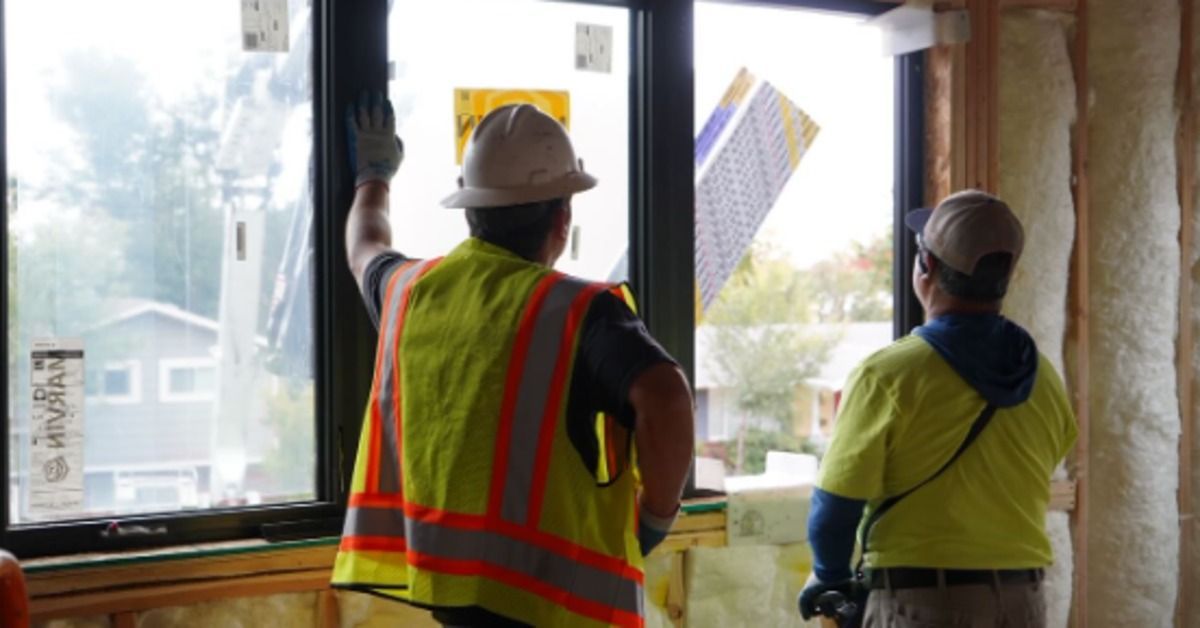
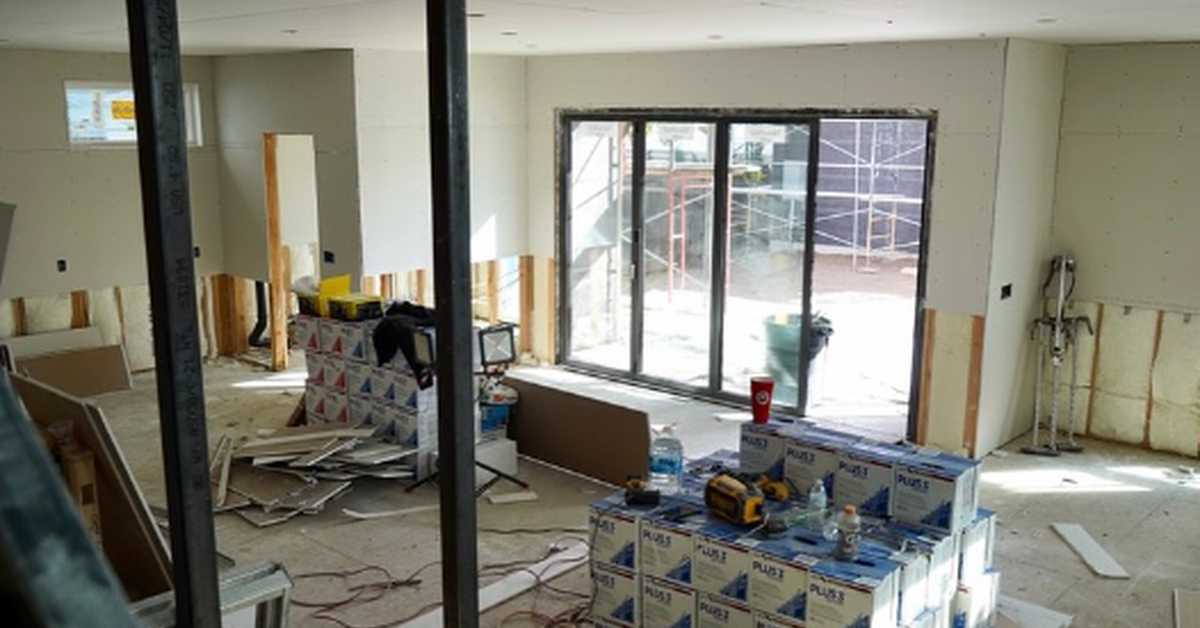
Door and window openings require precise drywall measurements to achieve neat transitions around the surrounding trim. Noticeable gaps, irregular edges, or exposed sections of wall framing suggest that contractors cut the panels inaccurately or neglected the finishing details. These imperfections become apparent around corners and along the edges of decorative trim.
Although trim conceals some necessary installation clearances, substantial openings shouldn’t remain visible after contractors finish the project. Improper measurements sometimes leave spaces too wide for ordinary finishing materials to conceal effectively. Homeowners should examine these areas before accepting completed work, particularly when uneven drywall edges interfere with the trim’s appearance.