Steps To Take After Your Drywall Suffers Water Damage
Drywall water damage rarely stays contained to the first stain that catches the eye. The sooner you act, the easier it is to limit crumbling edges, wavy seams, and lingering odors.
Water changes drywall’s shape and strength. It’s easy to second-guess what needs attention first. Worry tends to rise when there’s no clear way to tell whether the issue stays cosmetic or affects what’s behind the drywall. It’s important to take these steps after your drywall suffers water damage to prevent catastrophic structural issues and unsightly cosmetic consequences.
Shut Off Power Sources
Water and electricity don’t mix. A damp wall near outlets or light switches requires extra caution. Turn off the power to the affected area of the home before inspecting the drywall. It’s the best way to protect yourself as you address the water damage.
Protect the Affected Rooms
Get to work by turning off the home’s water supply. There’s a chance that a pipe, toilet, or appliance caused the leak. Place towels or a container to catch drips before addressing the source.
If a roof leak or exterior intrusion caused the problem, move furniture away from the wall and cover the floor to prevent stains. These precautions stop water from spreading into the baseboard, insulation, and adjacent rooms.
Identify the Type of Water Damage
Water has a recognizable presence after it seeps through the drywall. Yellow-brown stains may spread outward in rings, paint may bubble or peel, and the wall may feel cool or slightly spongy when pressed. Seams may rise or form ridges as the paper facing swells and pulls at the joint compound. Pay attention to the edges near baseboards and corners, since water likes to settle low and hide there.
The Risks of Mold
Excessive moisture encourages mold growth. If there’s water stuck behind wall cavities and baseboards, musty smells, pepper-like spotting, and fuzzy patches are sure to appear.
Don’t scrape or sand suspected mold areas. The particles will spread throughout the room. Bring in the experts to treat the mold and replace the impaired drywall sections. It’s the safest way to eliminate the presence of mold and fix cosmetic drywall complications.
Find the Water Source
Drywall won’t recover while water continuously streams in. There are several possible reasons why the drywall is suffering from water damage. It’s beneficial to check every potential source.
Gravity and framing cavities can shift the visible spot away from the source. Follow the stain upward and outward.
Check nearby plumbing lines, supply valves, drain traps, window frames, and roof penetrations. Then, look for mineral buildup, corrosion, or wet dust that marks an active leak.
If the stain sits under a bathroom, laundry, or kitchen area, inspect those fixtures and connections first. Slow drips will soak drywall without obvious pooling.

Determine if the Damage Is Cosmetic or Structural
Water doesn’t always stop where the stain ends. Some water marks stay on the surface and never soften the drywall core, while heavier exposure weakens the panel.
Take a closer look along baseboards, inside corners, and near the ceiling line. Gently press around trim and along taped joints to feel for softness or subtle waviness that suggests moisture traveled behind the surface. Watch for nail pops, separating caulk lines, or a slight pillowy feel along seams, since these changes may show up before visible discoloration.
Cosmetic damage usually looks like a stain with firm drywall underneath, with no sagging and no crumbling when lightly scraped. Structural damage shows up as soft spots, warped surfaces, sagging ceilings, loose tape lines, or drywall that flakes when touched. Distinguishing these issues will help you choose the appropriate path for restoring the drywall.
Repair Surface-Level Issues
When drywall stays firm and dry to the touch, the work focuses on stain control and finish restoration. Dry the area with steady airflow and a dehumidifier. The stain should stop changing shape, and the wall should feel dry across the affected zone.
Lightly sand any bubbled paint edges. Apply a stain-blocking primer, so discoloration won’t bleed through fresh paint. After the primer cures, repaint the area to match the surrounding walls.
Treat Moderate Drywall Damage
Soft drywall needs more than a coat of paint. The core loses its strength, and the paper face can separate.
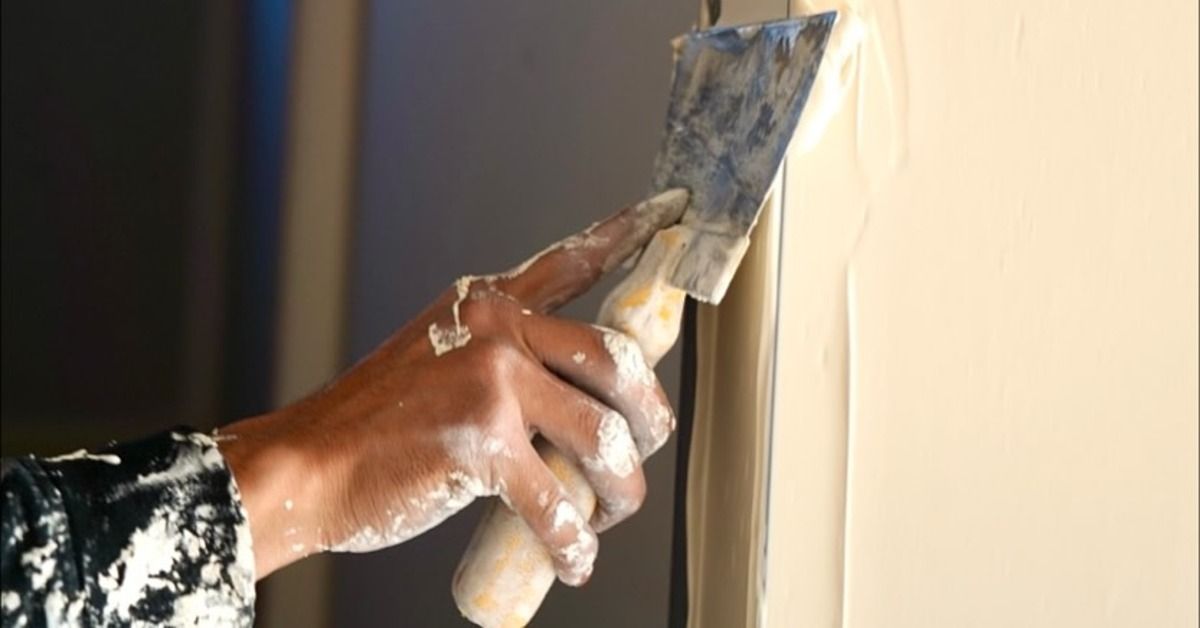
Cut away any loose paint, swollen paper, and failing joint compound so the repair bonds to stable material rather than damp, peeling layers. Dry the wall cavity as much as possible through the opening, then repair with new drywall patch material that ties into framing or backing for support. Finish with joint compound, sanding, and texture matching so the repaired spot doesn’t telegraph through the final paint.
Remove and Replace Drywall After Severe Saturation or Sagging
Severe water damage calls for removal when the wall bows, the ceiling sags, or the drywall crumbles. A drywall repair company will pull out the damp insulation and let the studs dry before installing new panels. Once the cavity dries, they’ll hang new drywall, tape the seams, apply compound in smooth layers, and recreate the wall’s texture before painting. The damage will become a distant memory with professional assistance.
Keep a Close Eye on the Repaired Area
Even after repairs, a quick check now and then assures you’ve kept the water issue at bay. Look for discolored areas, bubbled paint, or softened seams.
Pay attention to changing weather conditions, too. Heavy rain might activate water issues. Summertime humidity could increase humidity and cause stains on the drywall.
Keep indoor moisture levels under control with ventilation or dehumidifiers in kitchens, baths, and laundry rooms. When the wall stays stable and clean through changing conditions, the repair has done its job.

Contact Rival Drywall for Drywall Repair Services
Water damage isn’t an easy issue for homeowners to overcome, but a thorough process from the start prevents a repeated repair cycle. Once the water stops flowing, you’ll be able to address the issue head-on.
Reaching out to Rival Drywall is among the steps to take after drywall water damage. We will take care of cosmetic and extensive drywall complications. A quick evaluation helps confirm what needs repair and what still looks sound. Our team of professionals will outline the next steps, create a project timeline, and prevent the issue from returning. Contact Rival Drywall today to learn about how we can strengthen your walls’ structural integrity and appearance.