Dos and Don’ts of Tenant Improvement Drywall Jobs

April 30, 2026

People who manage housing want their tenants to have a safe home that also looks incredible. When the walls have cracks or poor drywall patches, tenants start to complain. It’s up to the housing management team to fix these problems correctly.

But there are several factors to consider before embarking on this project. Understanding the dos and don’ts of drywall improvement jobs will make your tenants satisfied with the repair process.

Don’t Overlook the Project Scope

Before a single board goes up, the team needs a firm grasp of the project’s scope. Are they modifying the ceiling or patching cracks? Are they diving deep to uncover water damage or unstable frames? Without a plan, drywall crews will conduct unnecessary work and waste their time.

Make a list of every repair that each space needs. Scope the area and evaluate components that could affect installation, from access limits to substrate issues. When the team is ready to get to work, the project will stay on schedule.

Do Match the Materials to the Space

Drywall selection should match the demands of the space. Moisture-prone areas need boards that holds up under damp conditions. High-traffic corridors may require heavy-duty panels. Sound control shapes the board type, insulation, framing depth, or fastening pattern.

Material choices influence finish quality, durability, code compliance, and long-term maintenance. A wrong board may look fine at first glance, then fail under daily use or stall an inspection. Matching the material to the space gives the project a stronger foundation.

Don’t Ignore Building Requirements

It’s essential to follow the building requirements. From fire ratings to soundproofing to shaft wall details, shortcuts can lead to expensive reworks.

Once the inspector flags a problem, crews may need to open finished walls, replace materials, or rebuild sections already painted. That kind of setback hits cost, schedule, and trust all at once.

Dos and Don’ts of Tenant Improvement Drywall Jobs

Do Align Framing and Drywall

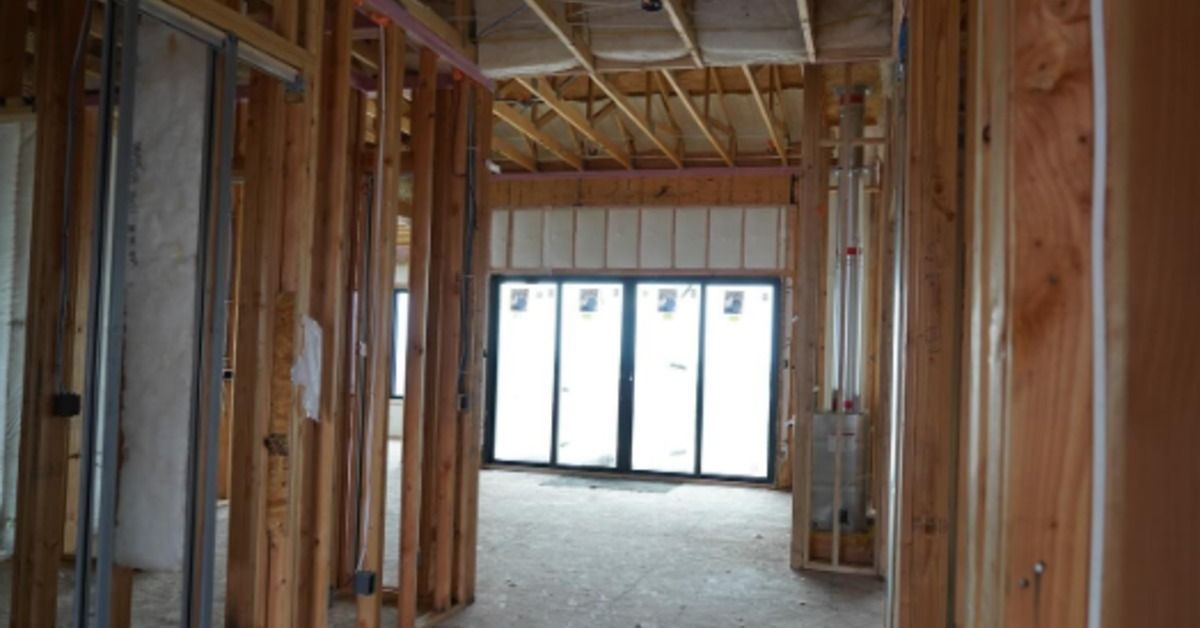
Drywall won’t perform well over poor framing. Metal stud framing and drywall installation should move as one coordinated system from the earliest planning stages. That connection creates smooth walls and clean corners.

Accurate framing affects the following elements:

  • Door frames
  • Backing locations
  • Wall heights
  • Soffits
  • Expansion details
  • Transitions
  • Electrical components

When framing drifts out of plane, the crew pays the price. They spend time correcting waves and chasing broken lines. Good alignment between framing and drywall protects both production and appearance.

Don’t Neglect Occupied Areas

It’s inevitable that the team will need to repair drywall in occupied homes. In those cases, the drywall crew must consider how they’ll work around people’s daily routines and personal belongings.

Dust control is the first priority. Covering the floors and furniture is a must. Next, be sure to seal off the room under construction. A careless setup can push dust into nearby rooms or track debris through common areas. Mitigating dust and protecting the tenant’s living environment will make for a minimally disruptive repair.

Do Treat Patching With Precision

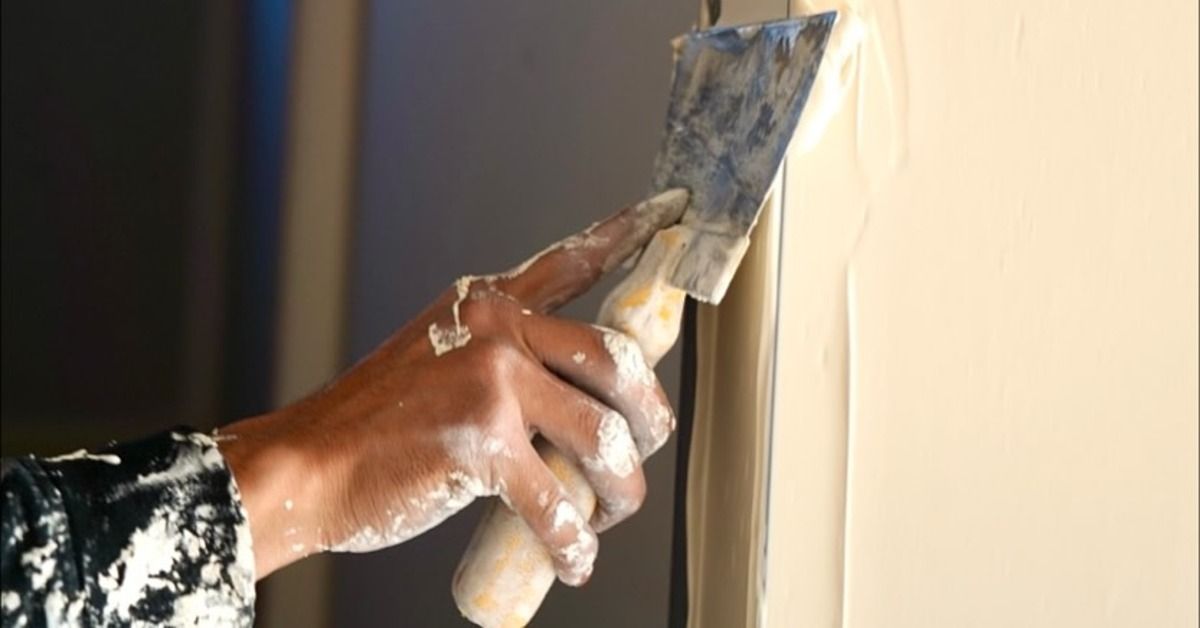
Patching in a tenant improvement project calls for real finesse. New work must blend into existing surfaces without drawing attention to the fix.

Precision begins with prep. Loose texture, weak paper, damaged corners, and poorly cut openings need correcting before patching up. The surrounding surface must guide the repair, so the finished area ties into the wall instead of reading like an obvious fix.

Texture match and edge control all shape the outcome. A rushed patch can flash under paint, show ridges in side lighting, or reveal a visible change in surface plane. Good patching should disappear into the room, not announce itself from across the hall.

Don’t Guess the Type of Finish

Finish level should never be a guess on residential work. Homeowners notice wall flaws quickly, especially in living rooms, kitchens, entryways, and hallways with strong natural light. A surface may look smooth during installation, then show joints or fasteners once paint goes on.

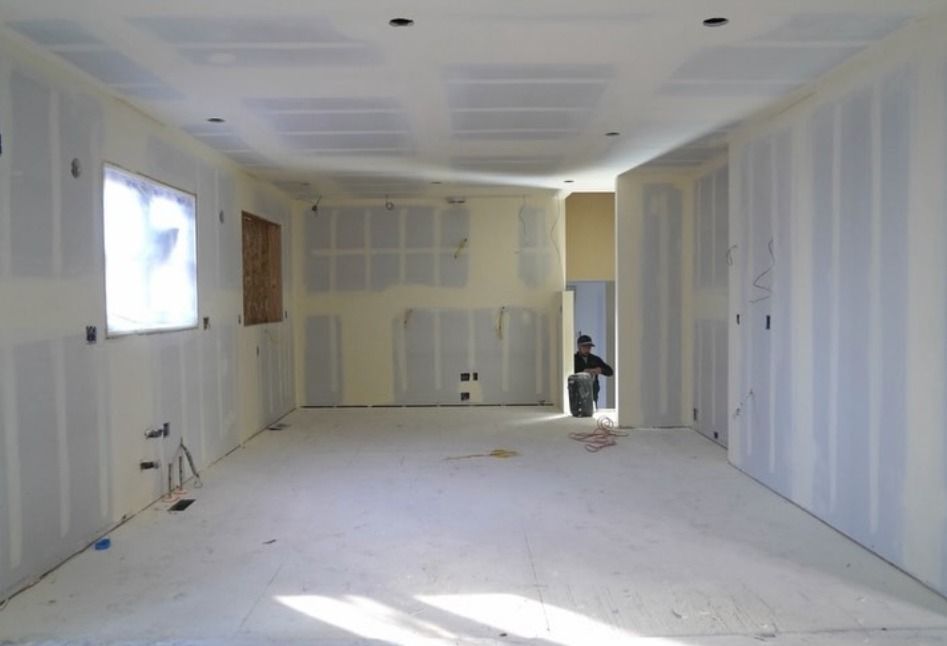
Level 4 works well in many homes, though some spaces need Level 5. Level 4 finish includes taped joints with multiple coats of joint compound, covered fasteners, and a smooth surface ready for flat paint or light textures in standard lighting conditions. Level 5 finish includes everything in a Level 4 finish plus a thin skim coat across the entire surface to reduce visible joints and imperfections under the lights.

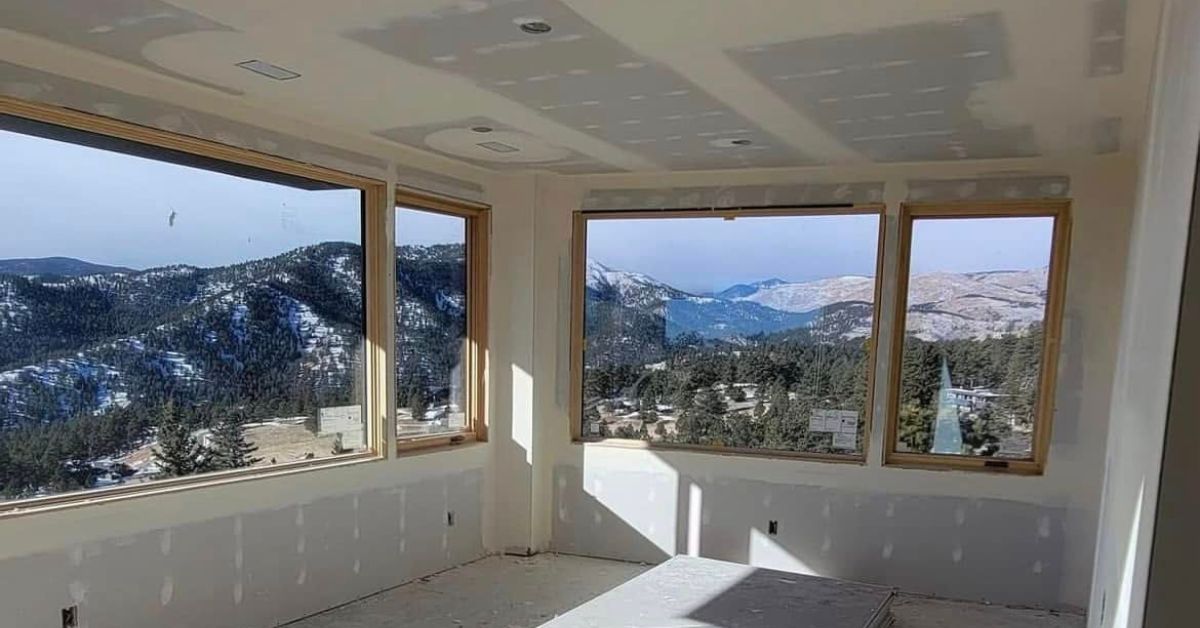
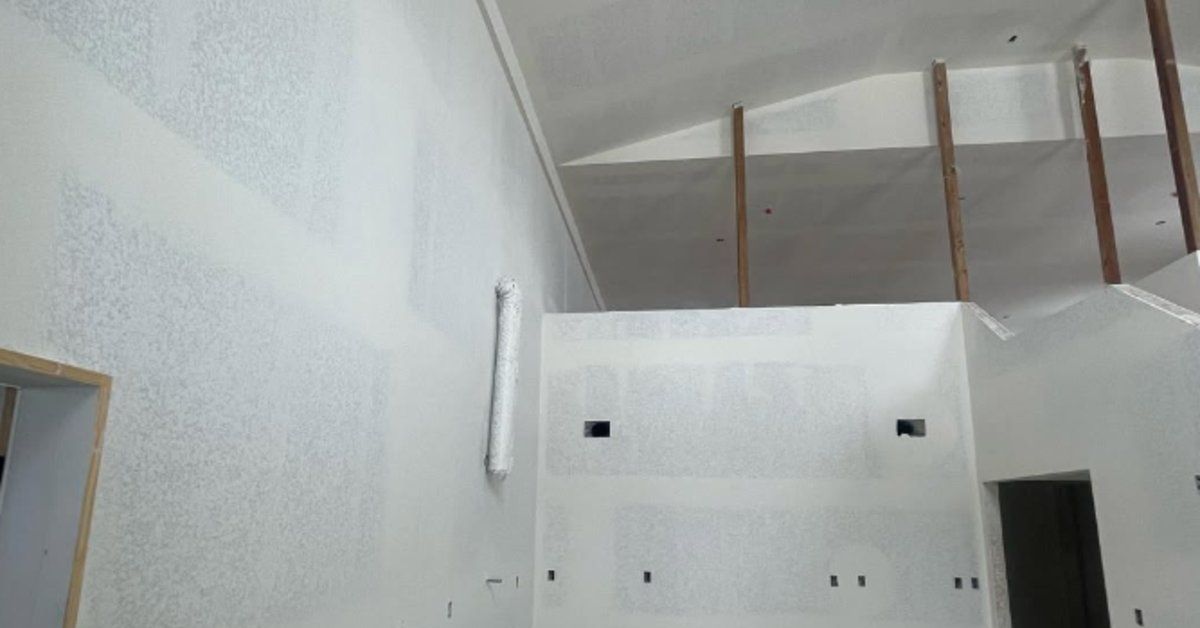
Tall walls, large open rooms, smooth paint finishes, and areas near big windows tend to reveal imperfections much faster. The drywall team should discuss those conditions early so the finish matches the space.

Once primer and paint hit the wall, seams and patches stand out clearly. Determining the correct finish from the start prevents disappointing tenants with the end result.

Do Create a Realistic Schedule

A workable drywall schedule respects sequence and drying time. Board hanging, taping, coating, sanding, inspection timing, and trade overlap all need room to happen in the right order. Pressing those steps too tightly tends to damage quality.

A wet compound needs time to cure properly. Crowded trade traffic can scar fresh surfaces before they are ready. Strong planning gives crews the time needed to produce polished, sturdy walls.

Don’t Hire Teams on Price Alone

Low pricing seems attractive with this big project, but drywall repair isn’t a task to cut corners on. The goal is to satisfy tenants with an exceptional repair. A team with limited commercial experience may struggle with patch blending and finish quality, causing plenty of problems after the fact.

Decision-makers should look at experience, scheduling reliability, and workmanship. A trustworthy commercial drywall company ensures the project progresses smoothly. They flag issues early on and deliver work that supports the full build-out.

Contact Rival Drywall Today for Professional Results

Strong results on tenant improvement drywall jobs come from ample preparation and installation skills. To accomplish this, teams need a drywall partner who knows how interiors function.

Rival Drywall brings that practical focus to repair and installation work. We’re a reliable team that knows how to match finishes and install structurally sound drywall. Contact Rival Drywall to start your next project with a team you can trust.

Why DIY Drywall Repairs Often Cost More Long Term
By Derek Adams April 20, 2026
Fixing damaged drywall may seem simple to DIY on the surface. However, DIY drywall repairs often cost more long term because of the intricate process.
Qualities To Look for in a Great Drywall Contractor
April 7, 2026
There are several qualities that make up a great contractor. From amazing communication skills to quality installation, learn how to find the best professional.
Common Challenges in Drywall Projects and How To Avoid Them
By Derek Adams March 19, 2026
Installing and repairing drywall is a complex skill. With so many elements to consider, learn how to avoid the most common challenges in drywall projects.
Common Misconceptions About Residential Drywall Work
March 17, 2026
Drywall repair and installation are tougher projects than many homeowners realize. Discover the most common misconceptions about residential drywall work.
Tips for Managing Large-Scale Drywall Installations
February 27, 2026
Learn practical tips for managing large-scale drywall installations, including scheduling, crew coordination, quality control checklists, and more.
Steps To Take After Your Drywall Suffers Water Damage
February 11, 2026
Water can ruin your walls, cause mold growth, and affect your home’s structural integrity. Follow these steps to address drywall water damage.
How New Drywall Can Modernize and Brighten Your Living Space
February 4, 2026
Living room walls with dents, cracks, and lackluster surfaces are eyesores. Installing new drywall will modernize and brighten your living space.
What You Can Expect From a Commercial Drywall Install
January 5, 2026
Renovating or building a new facility is a task you cannot accomplish alone. Here’s what you can expect from commercial drywall installation.
The Role of Drywall in Energy Efficiency and Insulation
December 12, 2025
Drywall looks great in homes and offices, but it serves a greater purpose. Discover the role of drywall in energy efficiency and insulation.
How Professional Drywall Repair Saves You From Costly Redos
December 11, 2025
Drywall repair is a tedious process that not all homeowners can DIY. Find out how hiring professional drywall repair will save you from expensive redos.
Show More