Why DIY Drywall Repairs Often Cost More Long Term

Derek Adams • April 20, 2026

A crack in the wall or a damaged ceiling patch may look like a simple weekend project. Many property owners see a dent, hole, or stained section and assume a store-bought kit will solve it for good. The truth is that DIY drywall repairs often cost more long term because it’s difficult for inexperienced individuals to find the root cause and restore the finish properly. For residential and commercial properties, professional drywall repair offers a direct solution.


Drywall Damage Seems Surface-Level


Most drywall problems begin with a visible flaw, but the flaw itself is rarely the full issue. A crack may point to settling, shifting frames, or failed tape joints. A stain on the ceiling may trace back to a roof leak, plumbing problem, or moisture trapped above the drywall. If someone patches only the visible mark, the problem will reappear.


Individuals will spend ample money on patch materials, primer, paint, sanding tools, and replacement supplies after the first repair fails. What seemed like a cheap fix turns into repeated labor and continuous costs.


Texture Matching Takes Skill


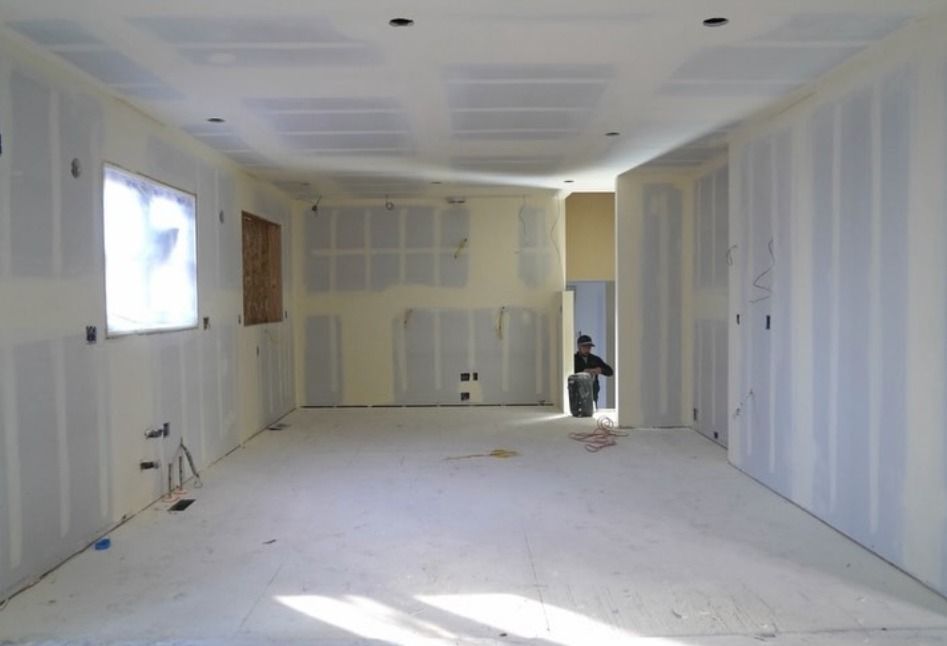
A filled hole doesn’t equal a finished repair. Once the drywall compound dries, many DIY patches stand out because the repaired area sits too high, looks flat, or fails to match the surrounding texture. Even paint can’t disguise the repair. Layering the compound, feathering the edges, and sanding the surface are essential to blend the repair into the existing wall.


Hidden Problems Raise the Price


Surface damage usually points to something else going on behind it. That is one reason DIY drywall work gets expensive. Property owners tend to focus on what they can see, but drywall repair often requires investigation before the first tool comes out.


Take a water stain on a ceiling. Someone may scrape the area, patch the damaged section, repaint it, and assume the issue is fixed. If the leak source remains active, the stain will return after the next storm or plumbing issue. The owner then pays for the same repair twice while the damaged area spreads.


Cracks around doors, windows, and corners follow a similar pattern. If framing shifts or movement continues, a cosmetic patch will not hold for long. Professional drywall repair addresses the condition of the drywall, the extent of the damage, and signs of moisture or structural stress before the surface work begins. That approach helps property owners avoid spending money on repairs that never had a chance to last.


Why DIY Drywall Repairs Often Cost More Long Term

Cheap Materials Cause Setbacks


Many DIY repairs start with the least expensive products on the shelf. That choice makes sense at first glance, especially when the damaged area looks minor. Yet low-grade patch compounds and basic repair kits do not fit every job.


Some products shrink after drying. Others crack under stress or fail to bond well with the existing wall. A mesh patch might work for one small hole but fail on a deeper damaged section. The wrong primer may let stains bleed through fresh paint. A poor-quality finish coat may flash under light and reveal every edge of the repair.


Professional drywall crews select materials based on the type of damage, the size of the area, the finish on the wall, and the conditions in the building. They know when a quick-setting compound fits the job and when a section needs full replacement. That knowledge cuts waste, reduces callbacks, and supports a repair that holds up under daily use.


Time Carries a Cost


DIY drywall work looks cheaper when someone compares labor rates alone. That comparison leaves out the hours spent buying supplies, moving furniture, taping off floors, watching tutorials, applying compound, waiting for it to dry, sanding mistakes, and repainting the area.


For homeowners, that process can take over evenings or weekends. One small patch can stretch into several days if each coat needs drying time or the finish is uneven. For commercial properties, downtime creates a separate problem. A damaged office, lobby, hallway, tenant suite, or rental unit may stay partially unusable while the repair drags on.


Professional crews move through the process with speed because they do this work every day. They arrive with the appropriate tools and their expertise to complete the project swiftly.


Paint Exposes Every Flaw


A repair may seem acceptable before paint, but it sticks out like a sore thumb once the final coat dries. Raised edges catch shadows. Poor sanding leaves visible ridges. Not to mention, color differences around the patched area make the wall look uneven.


This issue affects residential and commercial interiors alike. In a living room, a bad patch interrupts the appearance of an otherwise clean wall. In a conference room or reception area, it can make the property look neglected. Professional drywall repair prepares the surface for paint, not just for patch compound. The team’s expertise ensures the repaired area blends into the wall.


Small Mistakes Spread Fast


DIY drywall repairs often grow beyond the original damaged spot. Over-sanding can scar a wide section of the wall, while heavy compound application leaves behind a hump that takes several extra steps to flatten.


At that point, the original cost-saving plan had already broken down. The owner now faces extra material costs, additional painting, and a wider repair area than the one they started with. For commercial spaces, a larger repair may affect operations, access, or scheduling in ways a professional would have prevented from the start.


Experienced drywall crews know how to contain the repair, support the opening properly, and finish the area with clean lines. That control helps protect the surrounding wall and limits the size of the repair.

Why DIY Drywall Repairs Often Cost More Long Term

Professional Repair Protects Your Property


Hiring a drywall professional is not just about convenience. It is a practical financial decision for owners who want durable results and a finished surface that looks right. Professional repair reduces repeat work, limits wasted material, and catches hidden issues before they trigger a second repair.


It protects the appearance of the property, too. Drywall covers large portions of nearly every interior, so flaws are hard to ignore. Clean seams, smooth finishes, and well-matched texture support the value of a home, office, retail space, rental unit, or multifamily building. That level of work helps owners protect both appearance and function without gambling on a repair that may fail within weeks.


Rival Drywall: Repairs That Last


DIY drywall repairs often cost more long term because property owners pay for supplies twice or uncover a serious underlying issue behind the wall. Instead of purchasing equipment and struggling to perfect the finish, schedule professional drywall repair in Denver from the start.


Rival Drywall will provide dependable service and high-quality workmanship. Contact us today to find out why our skillful techniques won’t result in repeated repair expenses.


Qualities To Look for in a Great Drywall Contractor
April 7, 2026
There are several qualities that make up a great contractor. From amazing communication skills to quality installation, learn how to find the best professional.
Common Challenges in Drywall Projects and How To Avoid Them
By Derek Adams March 19, 2026
Installing and repairing drywall is a complex skill. With so many elements to consider, learn how to avoid the most common challenges in drywall projects.
Common Misconceptions About Residential Drywall Work
March 17, 2026
Drywall repair and installation are tougher projects than many homeowners realize. Discover the most common misconceptions about residential drywall work.
Tips for Managing Large-Scale Drywall Installations
February 27, 2026
Learn practical tips for managing large-scale drywall installations, including scheduling, crew coordination, quality control checklists, and more.
Steps To Take After Your Drywall Suffers Water Damage
February 11, 2026
Water can ruin your walls, cause mold growth, and affect your home’s structural integrity. Follow these steps to address drywall water damage.
How New Drywall Can Modernize and Brighten Your Living Space
February 4, 2026
Living room walls with dents, cracks, and lackluster surfaces are eyesores. Installing new drywall will modernize and brighten your living space.
What You Can Expect From a Commercial Drywall Install
January 5, 2026
Renovating or building a new facility is a task you cannot accomplish alone. Here’s what you can expect from commercial drywall installation.
The Role of Drywall in Energy Efficiency and Insulation
December 12, 2025
Drywall looks great in homes and offices, but it serves a greater purpose. Discover the role of drywall in energy efficiency and insulation.
How Professional Drywall Repair Saves You From Costly Redos
December 11, 2025
Drywall repair is a tedious process that not all homeowners can DIY. Find out how hiring professional drywall repair will save you from expensive redos.
How Soundproof Drywall Can Enhance Your Home or Office
November 19, 2025
Do you have trouble focusing in your house, or do you want the workplace to be peaceful? Learn how soundproof drywall enhances homes and offices.
Show More