Guide Home Renovations
Home renovations bring drywall work into active living spaces. The plan has to account for furniture and daily routines. Good coordination lowers stress while it protects the areas outside the work zone.
Confirm Access Details
Access details affect the schedule from the first day. If the crew doesn’t know where to park their vehicles or which rooms to avoid entering, the project falls apart rapidly. Descriptive instructions prevent delays.
Clear the Room
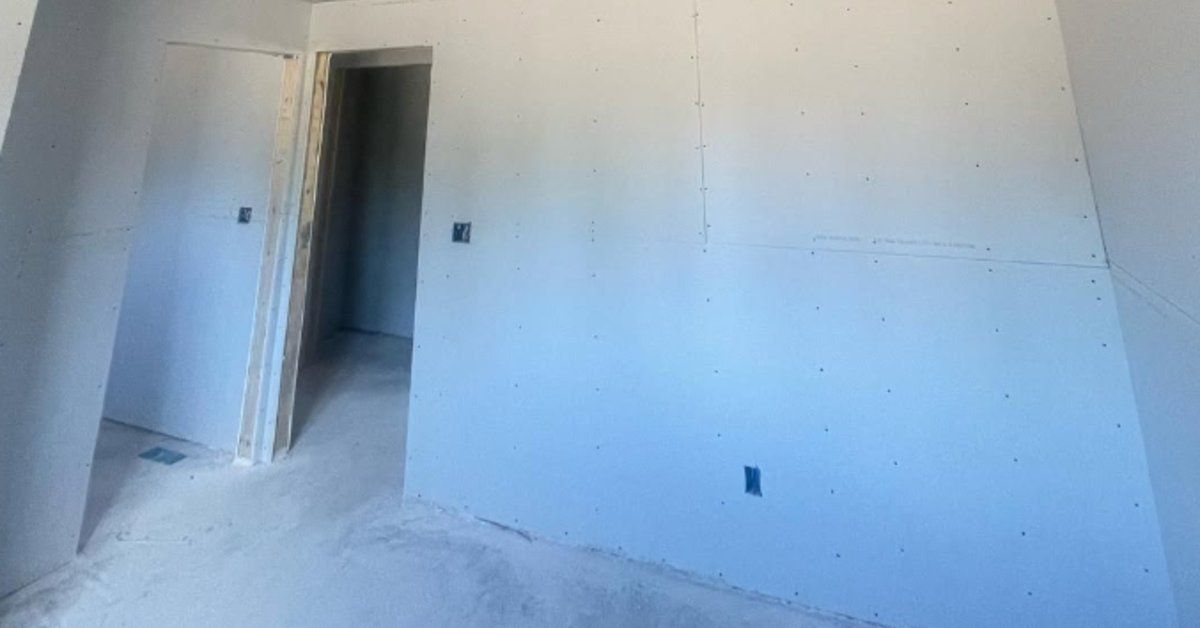
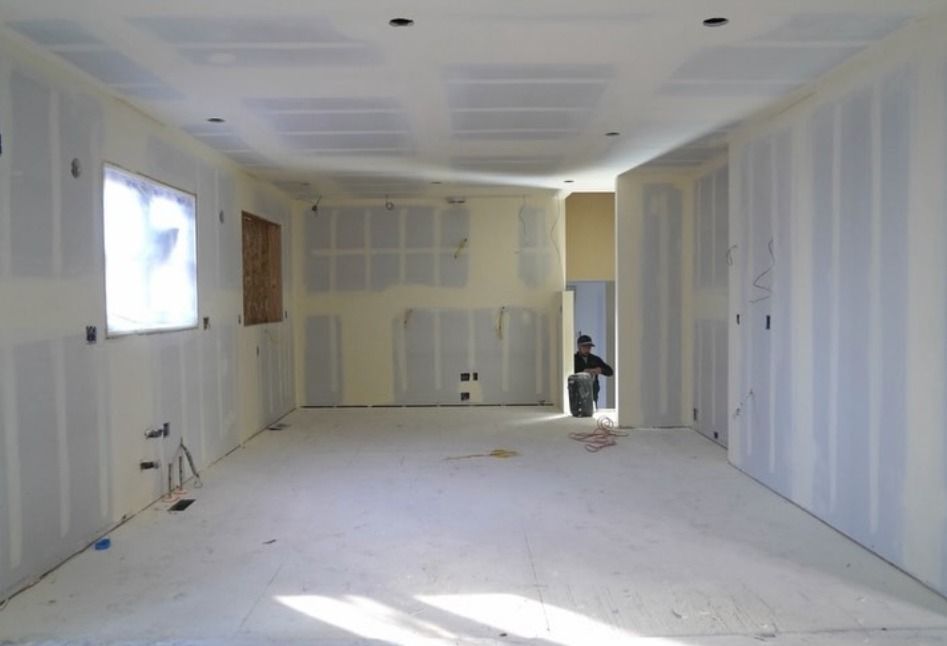
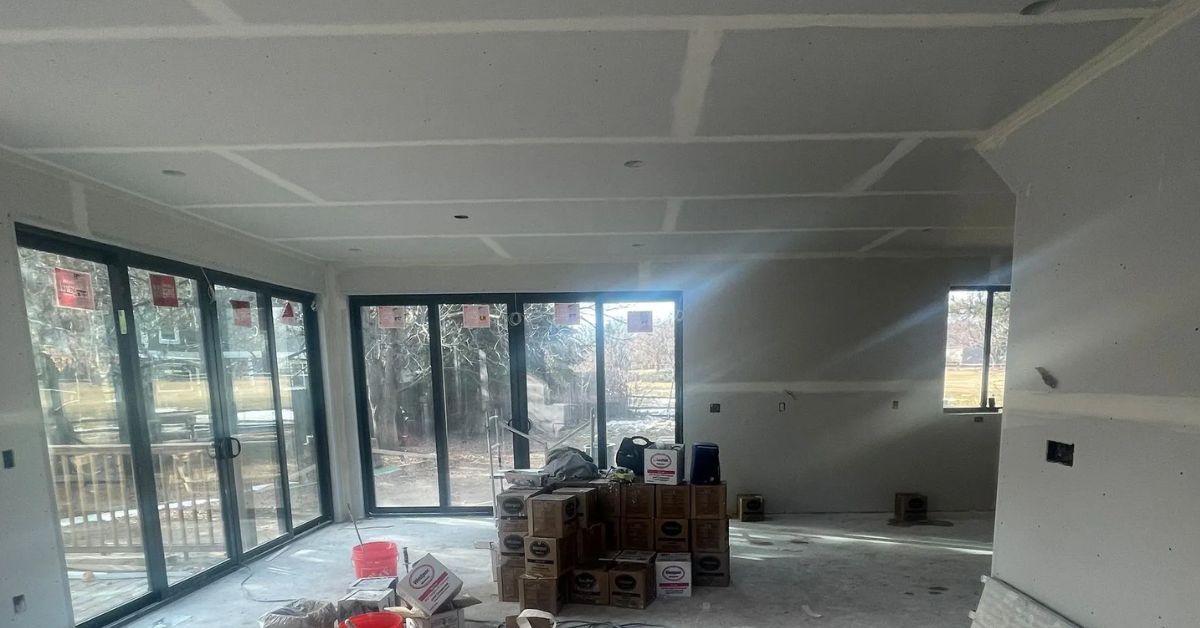
Drywall crews work best in rooms with open wall access and clear walking space. When homeowners move the furniture away from the work area before the crew arrives, the crew has an easier time getting to work quickly. Large items that have to stay in the room should sit near the center and have a protective covering. This setup gives the crew room to carry tools, hang boards, apply the compound, and sand surfaces without working around obstacles.
The path into the room needs the same attention. Hallways, stairs, and entry points should stay open so people can move materials without scraping the walls or trim. A clear route also reduces the chance of dust spreading into rooms that aren’t part of the project.
Schedule Cleanup Expectations
Drywall work produces scrap material, sanding dust, and surface debris at different stages. Cleanup expectations should be discussed before work begins, so the homeowner knows what the crew will handle each day. This is especially important when families are residing in other areas of the house during the project.
Daily cleanup could include removing debris and organizing the work area. Tools, panels, compound, and corner bead need a safe place between workdays. With a tidy workspace, crews will be ready for continued work, and the family will feel comfortable in their living environment.
Sequence Remodel Work
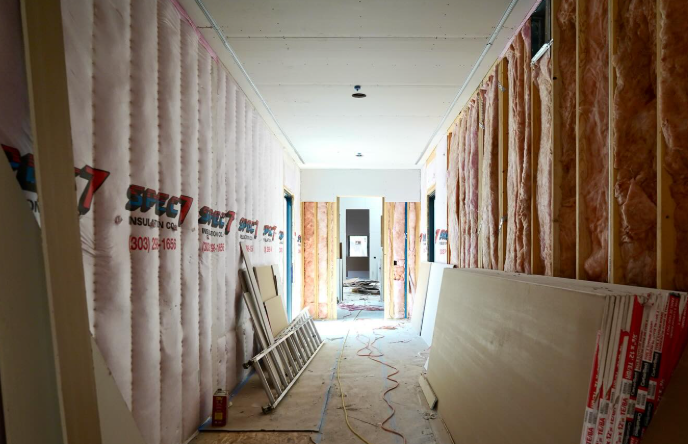
Drywall should follow framing and rough mechanical work. It should come before trim and paint. Each trade affects the next step.
Protect Existing Finishes
Remodels commonly take place near finished flooring or occupied rooms. Drywall materials could damage those areas during delivery if the route lacks protection. Run floor coverings along the main travel path. Protect the corners in tight turns to prevent panels or tools from brushing against them.
Dust protection is another essential element. Plastic barriers should separate the work zone from rooms outside the project area. Return vents should receive attention because airflow can pull dust through the home. A good protection plan lets the crew focus on the remodel without creating extra cleanup tasks in finished spaces.
Verify Rough Work
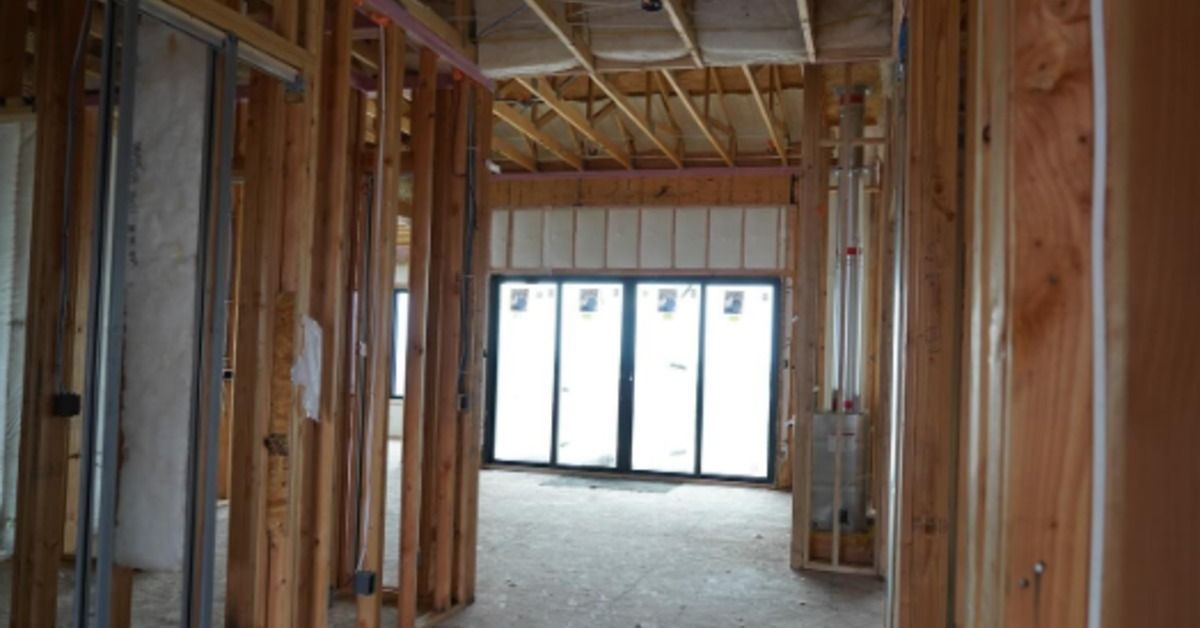
Rough work should be complete before drywall covers the framing. Electrical boxes need proper depth, so the outlets sit correctly after finishing. Plumbing and mechanical lines should stay inside the wall cavity without pushing against the board. Correct uneven framing before installing the panels.
This review protects the project timeline and the finished surface. Once the crew hangs the boards, overlooked rough work becomes tough to reach. A forgotten inspection or late mechanical change can force the removal of fresh drywall. Project leaders should confirm approvals before the crew closes the walls.
Check Change Orders Early
Remodel plans can shift once walls open up. A revised doorway, added outlet, or new soffit changes the drywall scope because it changes the surface the crew has to finish. It’s necessary to document any updates before the crew hangs up the boards. Waiting until the work begins makes labor, materials, and timing difficult to control.
Written change orders keep everyone working from the same plan. The note should describe the change, identify the location, and explain the schedule impact. Even a small framing revision can change panel layout or finishing time. Early approval reduces rework and keeps the drywall phase tied to the larger remodel schedule.